
Gap Insurance Requirements — Ohio
Free to compare
Ohio Law Does Not Require Gap Insurance
Ohio does not require gap insurance. The state mandates minimum liability coverage of $25,000 per person for bodily injury, $50,000 per accident for bodily injury, and $25,000 for property damage, but gap insurance is not part of that requirement. No Ohio statute or Bureau of Motor Vehicles regulation compels drivers to carry gap coverage.
The confusion arises because lenders and lessors almost always require gap insurance as a condition of financing. That requirement appears in the loan or lease contract, not in Ohio insurance law. When you finance a vehicle, the lender holds a security interest in the car and protects that interest by requiring coverage that pays the loan balance if the vehicle is totaled. Ohio law permits lenders to impose this requirement, but the state itself does not mandate it.
“Ohio does not require gap insurance by law — the requirement comes from the lender's loan contract, not from state insurance regulations.”

Check Your Rate Against Other Ohio Drivers
Get My Ohio Car Insurance Quote$25,000 / $50,000 / $25,000
Ohio Minimum Liability Limits
Ohio requires $25,000 per person for bodily injury, $50,000 per accident for bodily injury, and $25,000 for property damage. These minimums apply to every registered vehicle but do not include gap coverage.
Ohio Revised Code 4509.51
Lender Requirements Versus State Requirements
State insurance requirements and lender insurance requirements operate on separate tracks. Ohio law sets the floor: every registered vehicle must carry at least the state minimum liability limits. That requirement exists to protect other drivers you might injure, not to protect your own vehicle or your lender's financial interest.
Lenders impose a second layer of requirements through the loan contract. When you finance a vehicle, the contract typically requires collision and comprehensive coverage with a maximum deductible, and gap insurance to cover the difference between the vehicle's actual cash value and the outstanding loan balance if the car is totaled. These requirements protect the lender's collateral. If you fail to maintain the required coverage, the lender can force-place insurance at your expense or declare the loan in default.
The distinction matters because you can decline gap insurance only when no lender requires it. If you own the vehicle outright, gap insurance is optional. If you finance the vehicle, the lender's contract terms control, and Ohio law does not override those terms.
The lender's gap insurance requirement appears in the loan contract, not in Ohio law. You cannot decline it while financing unless the lender explicitly permits it.



When You Can Decline Gap Insurance
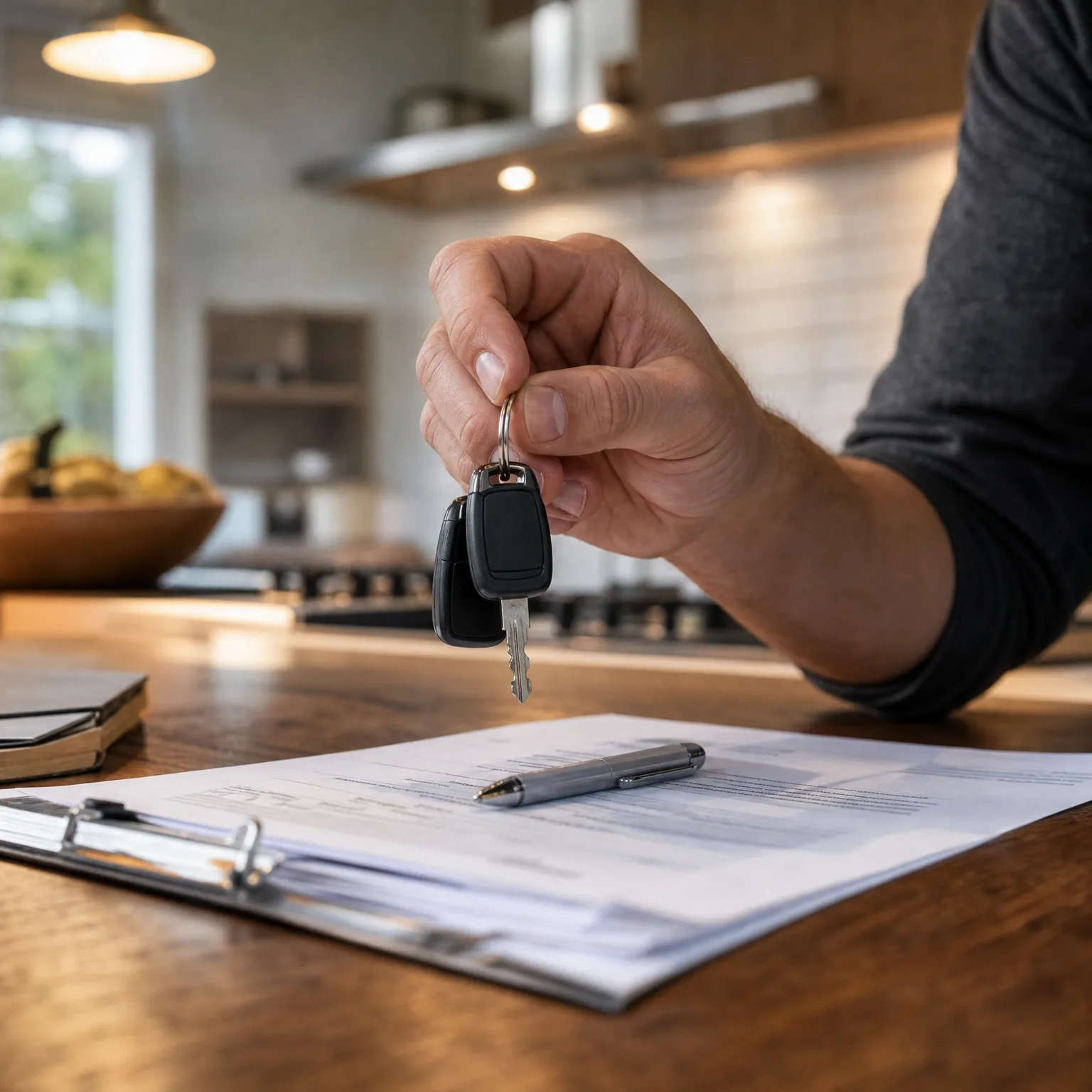
You can decline gap insurance when you own the vehicle outright with no lien or lease. If you paid cash for the car or paid off the loan, no lender holds a security interest, and Ohio law does not require gap coverage. You carry only the state-mandated liability minimums plus any optional coverages you choose.
Some lenders permit borrowers to decline gap insurance if the loan-to-value ratio is low. If you made a large down payment and the loan balance is well below the vehicle's actual cash value, the lender may waive the gap requirement because the collateral value exceeds the loan balance. This is rare and varies by lender. Most lenders require gap insurance regardless of down payment size.
If you financed the vehicle and the lender required gap insurance at origination, you may be able to drop it later once the loan balance falls below the vehicle's value. Review the loan contract for any clause permitting removal of gap coverage after a certain loan-to-value threshold is met. Contact the lender to confirm whether you can remove it and what documentation they require.
18.5%
Ohio Uninsured Motorist Rate
18.5% of Ohio motorists drive without insurance. Gap insurance does not protect against uninsured motorists; it covers the loan shortfall if your financed vehicle is totaled, regardless of fault.
Insurance Information Institute, 2023
How Gap Insurance Works on a Multi-Vehicle Policy
Gap insurance applies per vehicle, not per policy. If you insure multiple vehicles on one Ohio policy and finance two of them, you need gap coverage on each financed vehicle separately. The gap premium is calculated based on each vehicle's loan balance, actual cash value, and depreciation rate. Adding gap insurance to one financed vehicle does not extend gap protection to the other vehicles on the policy.
When you add a financed vehicle to an existing multi-vehicle policy, the carrier will quote gap insurance as an optional coverage for that vehicle. If the lender requires it, you must add it before the lender approves the loan. If you decline gap insurance at the time of purchase and the lender later discovers the coverage is missing, the lender can force-place gap insurance and charge you for it, often at a higher rate than you would pay through your own carrier.
Compare Carriers That Write Multi-Vehicle Policies in Ohio
Gap insurance availability and pricing vary by carrier. Not every carrier that writes auto insurance in Ohio offers gap coverage, and those that do price it differently based on the vehicle's loan balance and depreciation curve. When you finance a vehicle and add it to a multi-vehicle policy, request gap insurance quotes from carriers that write your household's vehicles and confirm the lender will accept the carrier's gap coverage.
Ohio carriers that write multi-vehicle policies and offer gap insurance include Allstate, American Family, Geico, Liberty Mutual, Nationwide, Progressive, and State Farm. Compare gap premiums alongside your base policy premium when adding a financed vehicle. The gap premium is typically a small percentage of the collision and comprehensive premium, but it compounds across multiple financed vehicles on the same policy.
When Gap Insurance Is Required in Ohio
Most auto lenders and all lessors require gap insurance on financed vehicles. The loan contract specifies the coverage requirements, including collision, comprehensive, and gap. If you finance through a dealership, the finance manager will present gap insurance as part of the loan package. Some lenders build the gap premium into the loan; others require you to purchase it separately through your auto insurer. Either way, the lender's requirement is enforceable under the contract.
If you lease a vehicle, gap coverage is almost always mandatory and often included in the lease payment. Leases carry higher gap risk because the vehicle depreciates faster than the lease balance declines in the early years. Lessors require gap insurance to protect against the shortfall if the vehicle is totaled before the lease ends. Ohio law does not prohibit this requirement, and lease contracts uniformly impose it.
Get Your Free Quote
Get My Ohio Car Insurance QuoteFrequently Asked Questions
Does Ohio require gap insurance on financed cars?
Ohio does not require gap insurance by law. Lenders require it through the loan contract as a condition of financing. The requirement is contractual, not statutory, and applies only when you finance or lease the vehicle.
Can I drop gap insurance after paying down my car loan in Ohio?
You can drop gap insurance once the loan balance falls below the vehicle's actual cash value, but only if the loan contract permits it. Contact your lender to confirm whether you can remove gap coverage and what documentation they require.
Do I need gap insurance if I own my car outright in Ohio?
No. If you own the vehicle outright with no lien or lease, gap insurance is optional. Ohio law does not require it, and no lender can impose the requirement when you hold clear title.
Is gap insurance required on leased vehicles in Ohio?
Lessors almost always require gap insurance on leased vehicles, and the requirement appears in the lease contract. Ohio law does not mandate it, but lease contracts uniformly impose it to protect the lessor's interest.
What happens if I don't have gap insurance and my financed car is totaled in Ohio?
If your financed vehicle is totaled and you lack gap insurance, you remain responsible for the loan balance after the insurer pays the actual cash value. The lender can pursue you for the shortfall, and the debt does not disappear when the vehicle is totaled.
Does gap insurance cover multiple cars on one Ohio policy?
Gap insurance applies per vehicle, not per policy. If you finance two vehicles on one Ohio policy, you need separate gap coverage for each financed vehicle. Adding gap insurance to one vehicle does not extend protection to the others.