
No-Fault Car Insurance — Ohio
Free to compare
Ohio Does Not Require No-Fault Coverage
Ohio operates under a traditional fault-based liability system, not a no-fault system. When you insure multiple vehicles on one policy in Ohio, you are not required to carry Personal Injury Protection (PIP) or any other no-fault coverage. The state requires only liability insurance: $25,000 bodily injury per person, $50,000 bodily injury per accident, and $25,000 property damage. These minimums apply to every vehicle on your policy.
The confusion often arises when drivers move from a no-fault state or hear the term used generically. In a no-fault state, your own insurance pays your medical bills regardless of who caused the crash. In Ohio, the at-fault driver's liability insurance pays the other party's damages. If you caused the crash, your liability coverage pays the other driver's bills and repairs. If the other driver caused it, their liability insurance pays yours.
“Ohio's fault system means the at-fault driver's liability insurance pays the other party's damages, not your own insurer.”

Check Your Rate Against Other Ohio Drivers
Get My Ohio Car Insurance Quote$25,000 / $50,000 / $25,000
Ohio Minimum Liability Limits
Ohio requires $25,000 bodily injury per person, $50,000 bodily injury per accident, and $25,000 property damage. These minimums apply to every vehicle on your policy, whether you insure one car or four.
Ohio Bureau of Motor Vehicles
How Fault-Based Liability Works Across Multiple Vehicles
When you insure multiple vehicles on one Ohio policy, each vehicle is covered by the same liability limits. If you carry the state minimum and one of your household drivers causes a crash in any of your insured vehicles, your policy's $25,000 per person and $50,000 per accident bodily injury limits apply to that claim. The limits do not multiply by the number of vehicles you own.
This matters when structuring coverage for a household with several cars. A crash involving serious injuries can exceed the state minimum quickly. Adding a second or third vehicle to your policy does not increase your per-accident protection unless you raise the liability limits themselves.
Liability coverage follows the vehicle and the driver. If your teenager drives one of your household cars and causes a crash, your policy's liability limits apply. If a household member borrows another household vehicle and causes a crash, the same limits apply. The number of vehicles on the policy does not change the per-accident cap.
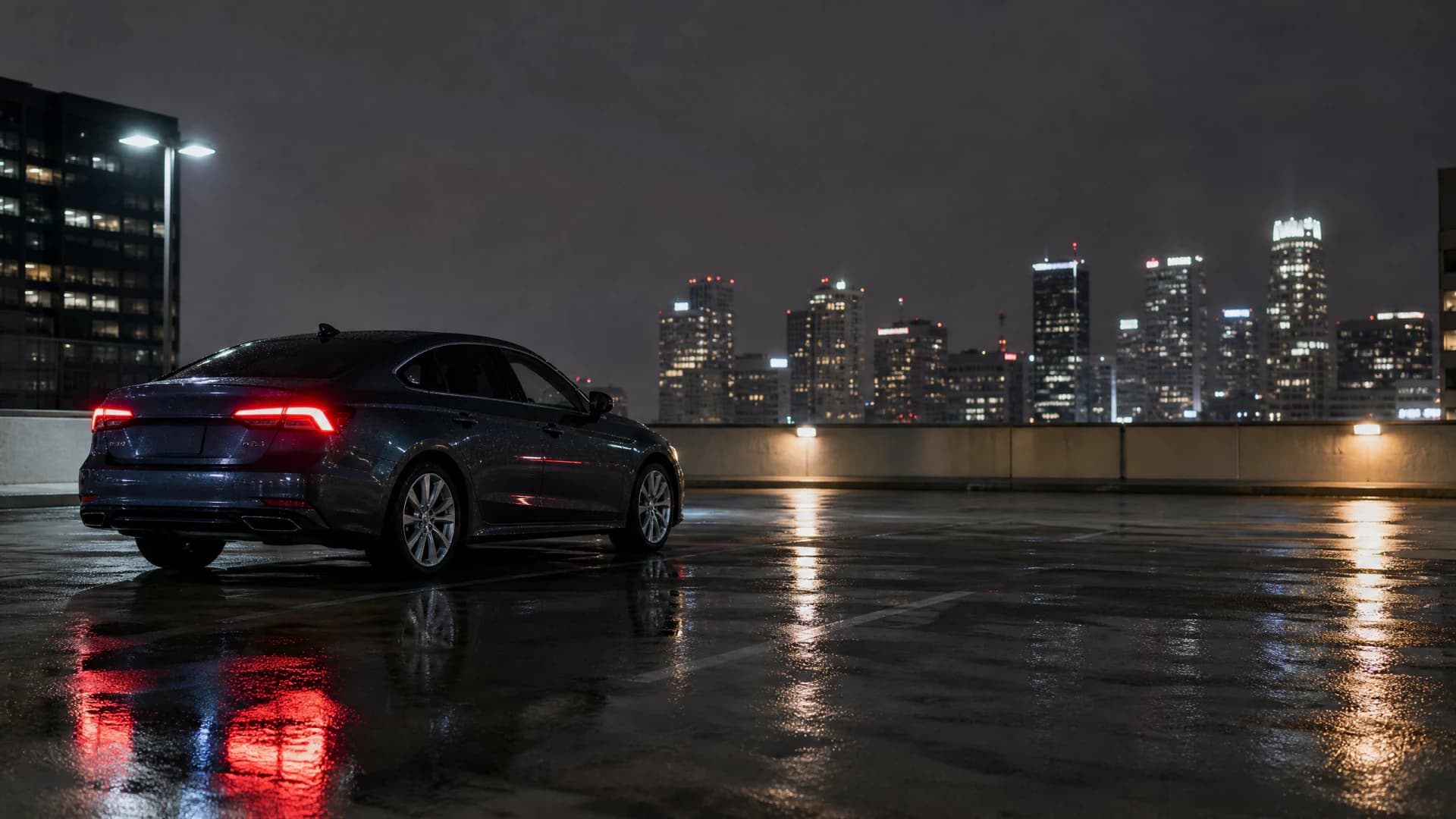
Ohio's fault system means the at-fault driver's liability insurance pays the other party's damages. Your liability limits apply per accident, not per vehicle.




How Claims Work in a Fault-Based State
In Ohio, the at-fault driver's liability insurance pays the other party's damages. If you caused the crash, you file a claim with your own insurer, which investigates and pays the other party's bills and repairs up to your liability limits. If the other driver caused the crash, you file a claim against their liability insurance. Their insurer investigates fault and pays your damages if they accept liability.
When fault is disputed, the process takes longer. A household with multiple vehicles faces this process for any crash involving any of those vehicles.
Collision coverage on your own policy bypasses the fault dispute. If you carry collision and your car is damaged, you file with your own insurer, pay your deductible, and your insurer repairs or replaces the vehicle. Your insurer then pursues the at-fault driver's insurer for reimbursement (subrogation). If successful, you get your deductible back. This process is faster than waiting for the other driver's insurer to accept liability.
18.5%
Ohio Uninsured Motorist Rate
Nearly one in five Ohio drivers operates without insurance. Uninsured motorist coverage protects your household when an uninsured driver hits any of your insured vehicles.
Insurance Information Institute, 2023

Multi-Car Discount and Policy Structure
Ohio carriers offer a multi-car discount when you insure two or more vehicles on the same policy. The discount typically requires every vehicle to be garaged at the same address and titled to household members on the same policy. Adding a second vehicle to an existing policy usually lowers the per-vehicle premium, but the total premium increases because you are insuring an additional car. Adding a third or fourth vehicle continues the pattern: the per-vehicle rate drops, but the total policy cost rises.
The multi-car discount does not change your liability limits. If you carry $25,000 per person liability and add a second vehicle, your per-accident limit remains $25,000 per person unless you raise the limit explicitly. The discount reduces the premium, not the coverage. Households with multiple vehicles should evaluate whether the state minimum provides adequate protection for a multi-car household's total exposure.
Compare Carriers That Write Multi-Vehicle Policies in Ohio
Ohio's fault-based system does not require no-fault coverage, but it does require you to carry liability insurance on every vehicle you own. When you insure multiple vehicles, compare carriers on the liability limits they offer, the multi-car discount they apply, and the optional coverages they bundle with it. Carriers writing in Ohio include State Farm, Geico, Progressive, Allstate, Nationwide, and others. Each structures multi-vehicle policies differently.
Use the site's comparison tool to see which carriers write policies for households with multiple vehicles in Ohio. Enter your household's vehicle count, driver count, and coverage preferences. The tool shows carriers licensed in Ohio that write multi-car policies and the coverage options each offers. Compare liability limits, uninsured motorist coverage, and collision and comprehensive options across the carriers that serve your county.
What Coverage You Actually Need in Ohio
Collision and comprehensive coverage are optional in Ohio but protect your own vehicles. Collision pays to repair or replace your car after a crash you caused or a single-vehicle accident. Comprehensive pays for theft, vandalism, weather damage, and animal strikes. If you finance or lease any of your household vehicles, the lender will require both. If you own all your vehicles outright, the decision depends on each vehicle's value and your ability to replace it out of pocket.
Uninsured and underinsured motorist coverage is optional in Ohio but addresses a real risk: 18.5% of Ohio drivers are uninsured. If an uninsured driver hits one of your household vehicles and injures you or your passengers, uninsured motorist coverage pays your medical bills and lost wages up to your policy's limits. Underinsured motorist coverage pays when the at-fault driver's liability limits are too low to cover your damages. Both coverages apply per accident, not per vehicle, and protect every driver and passenger in your household across all insured vehicles.
Get Your Free Quote
Get My Ohio Car Insurance QuoteFrequently Asked Questions
Does Ohio require no-fault car insurance?
No. Ohio operates under a traditional fault-based liability system. The at-fault driver's liability insurance pays the other party's damages. Ohio does not require Personal Injury Protection or any other no-fault coverage.
What happens if I insure multiple cars in Ohio and one is in a crash?
Your policy's liability limits apply to the crash regardless of which household vehicle was involved. If you carry $25,000 per person liability and your teenager causes a crash in one of your household cars, that $25,000 limit applies to each injured person in the other vehicle.
Do I need uninsured motorist coverage in Ohio?
Uninsured motorist coverage is optional in Ohio but addresses a real risk: 18.5% of Ohio drivers are uninsured. If an uninsured driver hits one of your household vehicles and injures you, uninsured motorist coverage pays your medical bills and lost wages up to your policy's limits.
Does the multi-car discount increase my liability limits?
No. The multi-car discount reduces your premium when you insure two or more vehicles on one policy, but it does not change your liability limits. If you carry the state minimum, your per-accident limits remain $25,000 per person and $50,000 per accident unless you raise them explicitly.
How does fault work in Ohio when another driver hits my car?
You file a claim against the at-fault driver's liability insurance. Their insurer investigates and pays your damages if they accept liability.
Can I combine policies from two households after marriage in Ohio?
Yes. Combining two separate policies into one multi-car policy after marriage typically qualifies for the multi-car discount. Both spouses' vehicles must be garaged at the same address and titled to household members on the same policy to qualify.