
Car Insurance Laws Ohio Drivers Should Know — Ohio
Free to compare
What Ohio Requires on Every Vehicle You Own
You own two or three cars, and you need to know what Ohio law requires you to carry on each one. The state mandates minimum liability coverage: $25,000 per person for bodily injury, $50,000 per accident for bodily injury, and $25,000 for property damage. Every vehicle you register must meet this floor. Ohio does not require personal injury protection or uninsured motorist coverage, but the liability minimums are non-negotiable.
The enforcement mechanism is structural. Ohio's Bureau of Motor Vehicles runs random verification checks against the state insurance database. If a vehicle on your registration shows no active coverage, the BMV sends a suspension notice. You do not need a traffic stop to trigger this — the system catches gaps automatically. A household with multiple vehicles faces multiple verification points, and a lapse on one car can cascade into registration blocks across your entire household.
“A lapse on one vehicle can block registration renewals across your entire household until you prove continuous coverage to the BMV.”

Check Your Rate Against Other Ohio Drivers
Get My Ohio Car Insurance Quote$25,000/$50,000/$25,000
Ohio Minimum Liability Limits
These are the floor amounts required by Ohio law for bodily injury per person, bodily injury per accident, and property damage. Every registered vehicle must carry at least this much coverage.
Ohio Revised Code 4509.45
How Ohio Verifies Insurance Across Multiple Vehicles
Ohio's verification system is not passive. The BMV cross-references vehicle registrations against carrier-reported coverage data. When you register a car, the system checks for active insurance. When you renew tags, it checks again. Between renewals, the BMV runs random verification sweeps. If the database shows a gap — even a brief one caused by switching carriers mid-term — the system flags it.
For households with multiple vehicles, this creates a structural risk. A lapse on one vehicle does not stay isolated. If the BMV suspends your registration for one car, it can block renewals on your other vehicles until you prove continuous coverage. The system treats each vehicle as a separate compliance obligation, but enforcement touches the entire household.
Proof of insurance in Ohio means an insurance ID card issued by a licensed carrier, showing your name, the vehicle identification number, the policy number, and the coverage period. Digital cards are accepted. The card must match the vehicle — showing proof for car A when you are driving car B does not satisfy the law. If you own three vehicles, you need proof for all three, and each must show current dates.
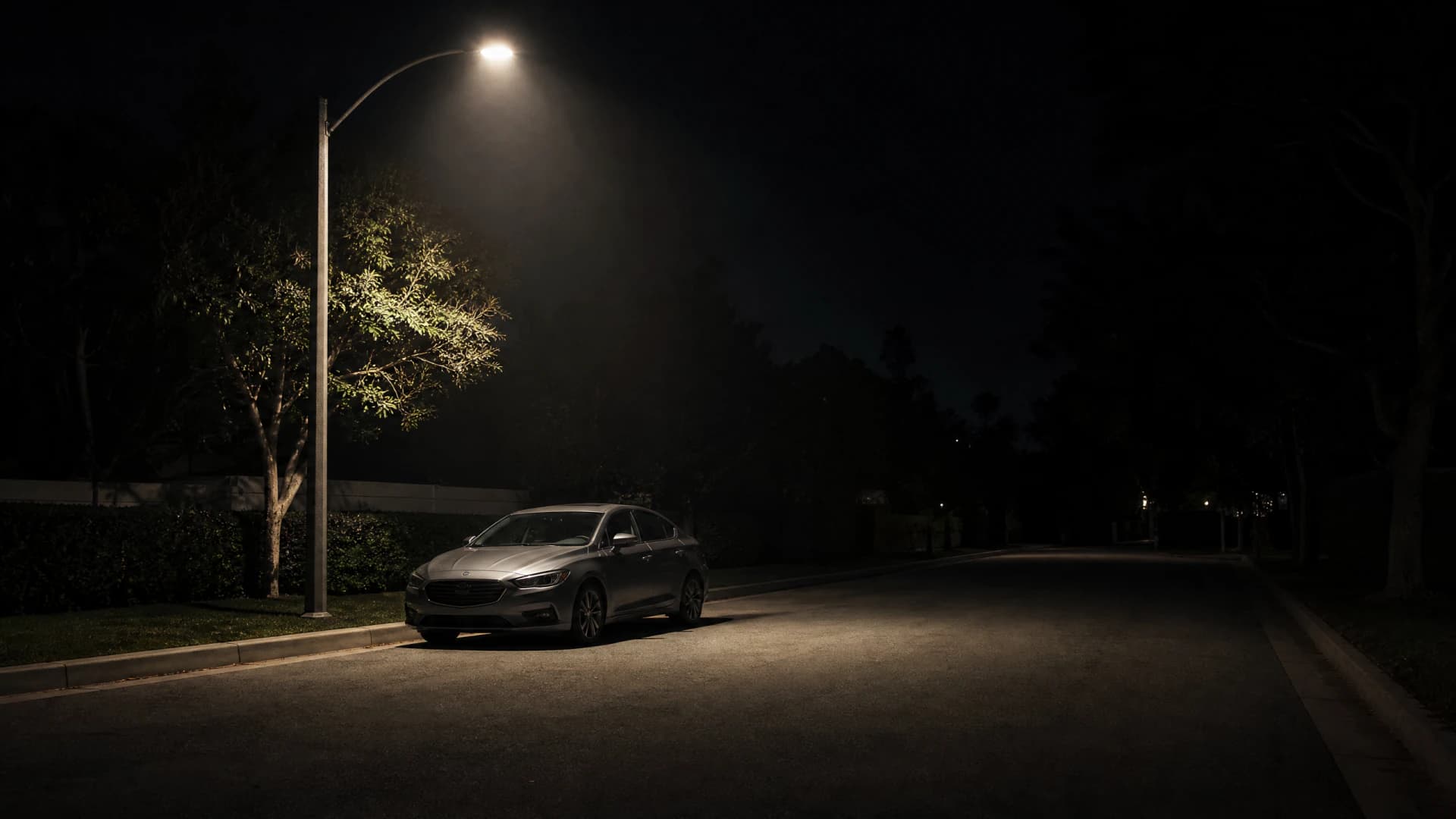
A coverage gap on one vehicle can block registration renewals across your entire household until you prove continuous coverage to the BMV.





How to Structure Coverage Across Multiple Vehicles
Most households with two or more vehicles place them on a single policy. This structure simplifies compliance: one policy number, one renewal date, one proof-of-insurance card covering every vehicle. Carriers typically offer a multi-car discount when every vehicle sits on the same policy and shares a garaging address. The discount structure varies by carrier, but the compliance benefit is universal — a single policy eliminates the risk of mismatched renewal dates or a lapse on one vehicle while another stays covered.
Some households maintain separate policies — one per vehicle, or one per driver. This structure works when a vehicle is titled to someone outside the household, or when a driver has a separate risk profile that makes bundling expensive. The trade-off is administrative: you now manage multiple renewal dates, multiple proof cards, and multiple verification points with the BMV. A lapse on one policy does not protect the others. If the BMV flags one vehicle, your license suspends regardless of coverage on your other cars.
When you add a vehicle mid-term, most carriers extend your existing policy to cover it immediately, but you must notify the carrier within a specific window — often 14 to 30 days. If you miss that window, the new vehicle may not be covered, and the BMV may flag it as uninsured even though your other vehicles are fine. The same risk applies when you sell a vehicle: if you do not notify the carrier and the BMV promptly, the system may still show the sold vehicle on your registration, and a gap in coverage on a car you no longer own can trigger a suspension.
18.5%
Ohio Uninsured Motorist Rate
Nearly one in five drivers on Ohio roads carries no insurance. This rate is higher than the national average and makes uninsured motorist coverage worth considering, even though Ohio does not mandate it.
Insurance Research Council, 2023

Coverage Decisions Beyond the State Minimum
Ohio's minimum liability limits cover the other driver's costs, not yours. If you cause an accident, your liability coverage pays for the other party's injuries and property damage up to your policy limits. It does not pay to repair your own vehicle, cover your own medical bills, or replace your car if it is totaled. For households with multiple vehicles, this creates a structural question: do you carry the same coverage level on every car, or do you tier it by vehicle value?
Collision and comprehensive coverage pay to repair or replace your own vehicle. Collision covers crashes; comprehensive covers theft, weather, vandalism, and animal strikes. These coverages are optional under Ohio law, but lenders require them if you finance or lease a vehicle. For a household with one financed car and two paid-off cars, you might carry full coverage on the financed vehicle and liability-only on the others. The trade-off is risk: if you total a paid-off car, you pay to replace it out of pocket.
Compare Carriers That Write Multiple Vehicles in Ohio
Ohio has a deep carrier market. Forty-one carriers write auto insurance in the state, including national carriers like State Farm, Geico, Progressive, Allstate, and Nationwide, and regional carriers like Erie and Auto-Owners. Not every carrier offers the same multi-car discount structure, and not every carrier writes all household configurations. Some carriers will not write a policy with more than four vehicles; others cap the number of drivers. If you own five cars, or if your household includes a teen driver and a senior driver, the carrier you choose matters structurally, not just on price.
When you compare carriers, ask three questions: does the carrier write your household configuration, does it offer a multi-car discount that applies to every vehicle on the policy, and does it allow you to tier coverage by vehicle? Some carriers require the same coverage level on every car; others let you carry full coverage on one and liability-only on another. The structural fit determines whether the policy works for your household, and price follows from that fit. Use the site's comparison tool to see which carriers write policies for households with multiple vehicles in Ohio and what coverage structures they offer.
What Happens When One Vehicle Loses Coverage
When the BMV detects a lapse, it mails a suspension notice to the registered owner. You have a short window to respond — typically 14 days — with proof that coverage was continuous or that you have reinstated it. If you do not respond, the BMV suspends your vehicle registration and your driver license. The suspension is automatic.
For households with multiple vehicles, this creates a cascading problem. A lapse on one car triggers a license suspension, which blocks you from legally driving any of your vehicles. Even if your other cars have continuous coverage, you cannot operate them while your license is suspended. The BMV will not lift the suspension until you file proof of financial responsibility — often an SR-22 certificate — for the vehicle that lapsed, and maintain it for one year.
Get Your Free Quote
Get My Ohio Car Insurance QuoteFrequently Asked Questions
Does Ohio require insurance on every vehicle I own?
Yes. Ohio requires minimum liability coverage on every registered vehicle. The state verifies insurance at registration, at renewal, and through random checks. A lapse on one vehicle can trigger a license suspension that affects your ability to drive any of your cars.
Can I insure multiple vehicles on one policy in Ohio?
Yes. Most carriers allow you to place two or more vehicles on a single policy, and most offer a multi-car discount when you do. A single policy simplifies compliance by consolidating renewal dates and proof-of-insurance cards across every vehicle you own.
What happens if one of my vehicles loses coverage in Ohio?
The BMV suspends your vehicle registration and your driver license. The suspension is automatic and does not require a traffic stop.
Do I need the same coverage on every vehicle I own?
No. Ohio requires minimum liability on every vehicle, but collision and comprehensive coverage are optional. Many households carry full coverage on financed vehicles and liability-only on paid-off cars. Some carriers let you tier coverage by vehicle; others require the same level across the policy.
How does Ohio verify that my vehicles are insured?
The BMV cross-references vehicle registrations against carrier-reported coverage data. The system checks at registration, at renewal, and through random verification sweeps. If the database shows a gap, the BMV mails a suspension notice and gives you a short window to respond with proof of coverage.
What counts as proof of insurance in Ohio?
An insurance ID card issued by a licensed carrier, showing your name, the vehicle identification number, the policy number, and the coverage period. Digital cards are accepted. The card must match the vehicle you are driving.