
Uninsured Motorist Coverage Requirements — Ohio
Free to compare
Ohio Does Not Require Uninsured Motorist Coverage
You are adding a second or third vehicle to your Ohio auto policy and the carrier is asking whether you want uninsured motorist coverage. The question appears for every vehicle, but the decision applies to the entire policy. Ohio does not require uninsured motorist (UM) or underinsured motorist (UIM) coverage. Carriers must offer it, and you must reject it in writing if you choose not to carry it.
The structural reality: when you reject UM/UIM on a multi-car policy, every vehicle on that policy loses the protection. One rejection covers all cars. If you later add a fourth vehicle, the rejection still applies unless you affirmatively elect coverage at that time. The decision is policy-level, not vehicle-level.
“When you reject UM/UIM on a multi-car policy, every vehicle on that policy loses the protection — one rejection covers all cars.”

Check Your Rate Against Other Ohio Drivers
Get My Ohio Car Insurance Quote18.5%
Ohio Uninsured Motorist Rate
Nearly one in five Ohio drivers carries no liability insurance. That rate is higher than the national average and means a collision with an uninsured driver is a routine risk, not an edge case.
Insurance Information Institute, 2023
What Uninsured Motorist Coverage Actually Pays For
Uninsured motorist bodily injury (UMBI) pays your medical bills, lost wages, and pain-and-suffering damages when an at-fault driver has no insurance or flees the scene. Underinsured motorist bodily injury (UIMBI) pays the gap when the at-fault driver's liability limit is too low to cover your injuries. Ohio law treats UM and UIM as a combined coverage: you buy both together or reject both together.
Uninsured motorist property damage (UMPD) is a separate optional coverage that pays for vehicle damage caused by an uninsured driver. Ohio carriers offer UMPD, but it is less common than UMBI/UIMBI because collision coverage on your own policy already covers vehicle damage regardless of fault. UMPD becomes relevant when you carry liability-only coverage on one or more vehicles and want protection against uninsured drivers without paying for full collision coverage.
The coverage follows the policy, not the vehicle. If you carry UMBI/UIMBI on a three-car policy and are injured as a passenger in someone else's car, your UM coverage can still apply after the at-fault driver's liability and the vehicle owner's UM limits are exhausted. The multi-car household structure does not limit the coverage — it extends it across every insured person on the policy.
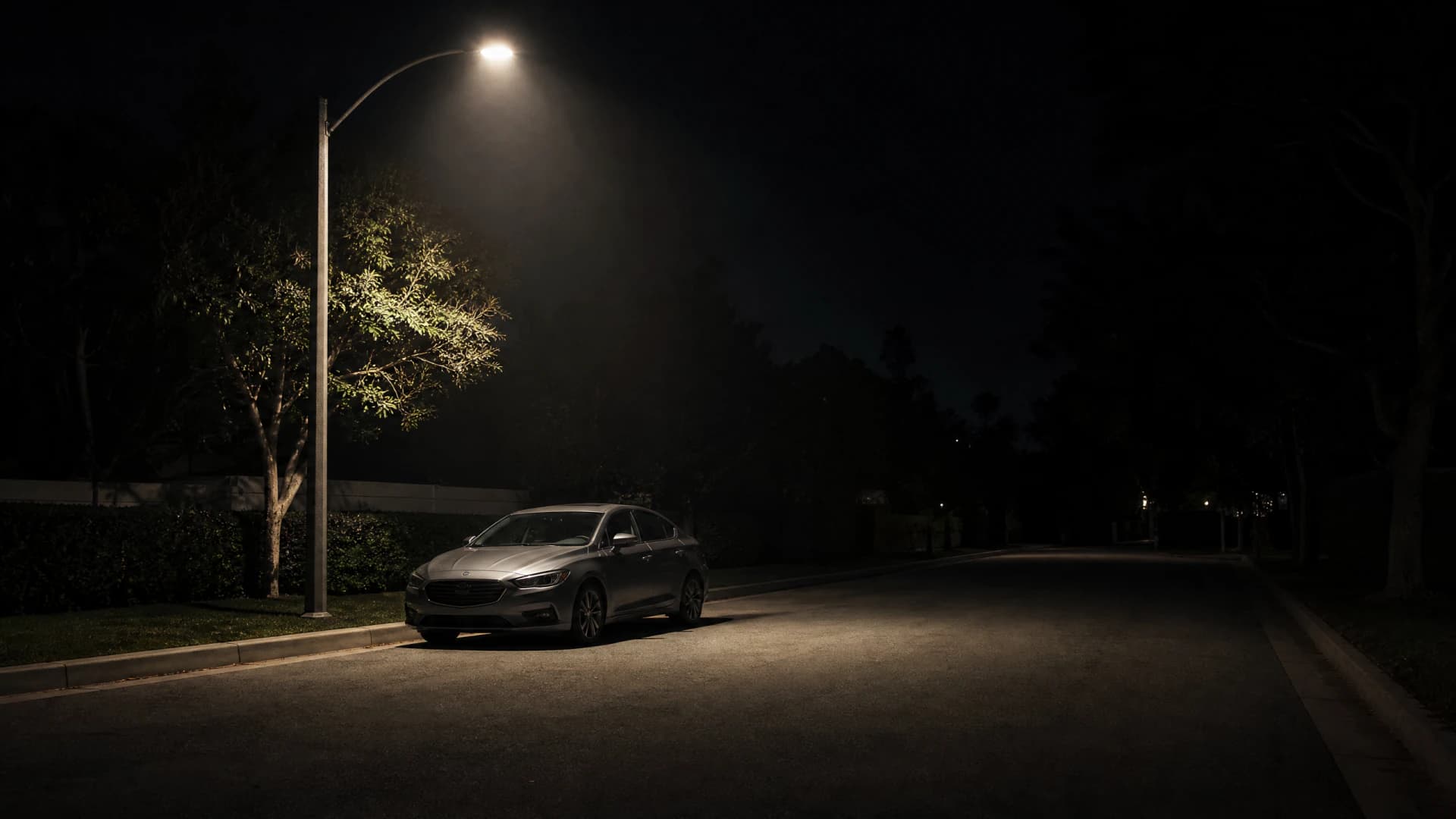
Rejecting UM/UIM on a multi-car policy removes the protection from every vehicle and every driver on that policy, including household members listed as occasional drivers.




Why Multi-Car Households Face Higher Uninsured-Driver Exposure
A household insuring three vehicles puts more cars on the road and increases the statistical likelihood that one of them will be involved in a collision with an uninsured driver. Ohio's 18.5% uninsured rate means that in a five-car pileup, the odds are better than even that at least one driver carries no insurance. When you reject UM/UIM, every vehicle on your policy is exposed.
The exposure compounds when household members drive different vehicles at different times. A teenager driving the third car to school, a spouse commuting in the second car, and you running errands in the first car all face the same uninsured-driver risk. If any of those trips results in a collision with an uninsured motorist, the lack of UM coverage affects the injured person, not the vehicle. The policy-level rejection removes protection from every person insured under the policy, regardless of which car they were driving or riding in at the time of the collision.
Collision coverage on your own vehicles does not fill the gap. Collision pays for vehicle damage, but it does not pay medical bills, lost wages, or non-economic damages. If an uninsured driver causes $50,000 in medical bills and your policy carries no UMBI, you are left pursuing the at-fault driver personally — a process that rarely recovers meaningful amounts when the driver could not afford liability insurance in the first place.
$25,000 / $50,000
Ohio Minimum Liability Limits
Ohio requires $25,000 bodily injury per person and $50,000 per accident. These minimums are low relative to medical costs. A serious injury easily exceeds $50,000, leaving the at-fault driver underinsured even when they carry the state minimum.
Ohio Bureau of Motor Vehicles
Structuring UM/UIM Limits Across Multiple Vehicles
UM/UIM limits are set at the policy level and apply to every vehicle. You do not choose separate limits for each car. The limit is the maximum the carrier will pay per accident, not per vehicle.
Most carriers require UM/UIM limits to match your liability limits unless you reject the coverage entirely or request lower limits in writing. You can request lower UM limits, but you cannot request higher UM limits than your liability limits. This prevents a policyholder from carrying minimal liability while buying high UM limits to protect themselves — the structure enforces symmetry.
Compare Carriers That Write Multi-Car Policies in Ohio
Forty-one carriers write auto insurance in Ohio, and UM/UIM pricing varies significantly across them. A carrier that prices UMBI aggressively for a single vehicle may price it differently when three or four vehicles sit on the same policy. The multi-car discount applies to the base premium, but UM/UIM is a separate line item — some carriers discount it alongside liability, others do not.
Request quotes with and without UM/UIM from at least three carriers. The difference in total premium will show you the cost of the protection. For a multi-car household, that cost is often lower per vehicle than it would be on three separate policies, because the UM coverage is priced once at the policy level rather than separately for each car. Carriers including State Farm, Progressive, Geico, and Nationwide write multi-car policies in Ohio and offer UM/UIM as a standard option. Compare the total premium with UM included against the total premium without it, then weigh that cost against the 18.5% uninsured rate and your household's medical-expense exposure.
How the Written Rejection Requirement Works
When you bind a new multi-car policy or add a vehicle mid-term, the carrier provides a rejection form. The form lists every coverage option you are declining. You must sign and return it. If you do not return the signed form, the carrier adds UM/UIM at limits matching your bodily injury liability and charges the premium. The written-rejection rule exists to prevent accidental gaps: the default is coverage, not rejection.
The rejection applies to the entire policy term. When the policy renews, the carrier must offer UM/UIM again, and you must reject it again in writing if you want to continue without it. A rejection signed at policy inception does not carry forward automatically to the next term. This creates a natural review point every 6 or 12 months where you can reconsider the decision as your household's vehicle count or risk profile changes.
Get Your Free Quote
Get My Ohio Car Insurance QuoteFrequently Asked Questions
Does Ohio require uninsured motorist coverage?
No. Ohio does not require uninsured motorist (UM) or underinsured motorist (UIM) coverage. Carriers must offer it, and you must reject it in writing if you choose not to carry it. The rejection applies to the entire policy, including every vehicle on a multi-car policy.
What happens if I reject uninsured motorist coverage on a multi-car policy?
The rejection removes UM/UIM protection from every vehicle and every driver on the policy. If you are injured by an uninsured driver while driving any of the insured vehicles, you have no UM coverage to pay your medical bills or lost wages. The rejection is policy-level, not vehicle-level.
Can I carry uninsured motorist coverage on one vehicle but not another?
No. UM/UIM coverage applies at the policy level, not the vehicle level. If you carry it, it covers every vehicle on the policy. If you reject it, no vehicle on the policy has the protection. You cannot split the decision across vehicles on the same policy.
How much does uninsured motorist coverage cost on a multi-car policy in Ohio?
UM/UIM pricing varies by carrier, liability limits, and the number of vehicles on the policy. Request quotes with and without UM/UIM to see the cost difference. For a multi-car household, the cost is often lower per vehicle than on separate policies because the coverage is priced once at the policy level.
Do I have to reject uninsured motorist coverage every time my policy renews?
Yes. A written rejection signed at policy inception does not carry forward automatically to the next term. When the policy renews, the carrier must offer UM/UIM again, and you must reject it again in writing if you want to continue without it.
What is the difference between uninsured and underinsured motorist coverage?
Uninsured motorist (UM) coverage pays when the at-fault driver has no insurance. Underinsured motorist (UIM) coverage pays the gap when the at-fault driver's liability limit is too low to cover your injuries. Ohio law treats UM and UIM as a combined coverage: you buy both together or reject both together.