
Ohio Minimum Liability Limits — What They Mean
Free to compare
The Minimum Limits Apply Per Accident, Not Per Vehicle
You added a second car to your Ohio policy and assumed your liability coverage doubled. It did not. Ohio's minimum liability requirement — 25/50/25 — applies to each accident you cause, regardless of how many vehicles sit on your policy. A household with three cars insured under one policy carries the same $25,000 per-person, $50,000 per-accident, $25,000 property-damage limit as a household with one car.
This structure confuses drivers who conflate per-vehicle registration with per-vehicle liability protection. Every vehicle you register must be insured to Ohio's minimum, but the liability limit itself does not multiply when you add vehicles. The policy covers you as a driver, not the cars individually. That distinction matters when you're deciding whether minimum coverage protects a multi-car household adequately.
“Adding vehicles to your policy does not increase your liability limits — the same 25/50/25 minimum applies whether you insure one car or five.”
Check Your Rate Against Other Ohio Drivers
Get My Ohio Car Insurance Quote$25,000 / $50,000 / $25,000
Ohio Minimum Liability Limits
Bodily injury coverage pays $25,000 per person injured, up to $50,000 total per accident. Property damage coverage pays $25,000 per accident for damage you cause to another driver's vehicle or property.
Ohio Revised Code 4509.51
What Each Number in 25/50/25 Actually Covers
The first number — $25,000 — is bodily injury liability per person. If you cause an accident that injures another driver, your policy pays up to $25,000 for that person's medical bills, lost wages, and pain-and-suffering claims. If two people are injured, each gets up to $25,000.
The second number — $50,000 — is the per-accident cap. The per-accident cap applies no matter how many people are hurt. Injured parties split the $50,000 limit when claims exceed it.
The third number — $25,000 — is property damage liability per accident. This covers the other driver's vehicle, a fence you hit, a mailbox, or any property you damage. It does not cover your own vehicle.
None of these limits change when you add a second or third vehicle to your policy. The limits apply per accident, not per car. A three-car household with minimum coverage carries the same $50,000 bodily-injury cap as a one-car household.
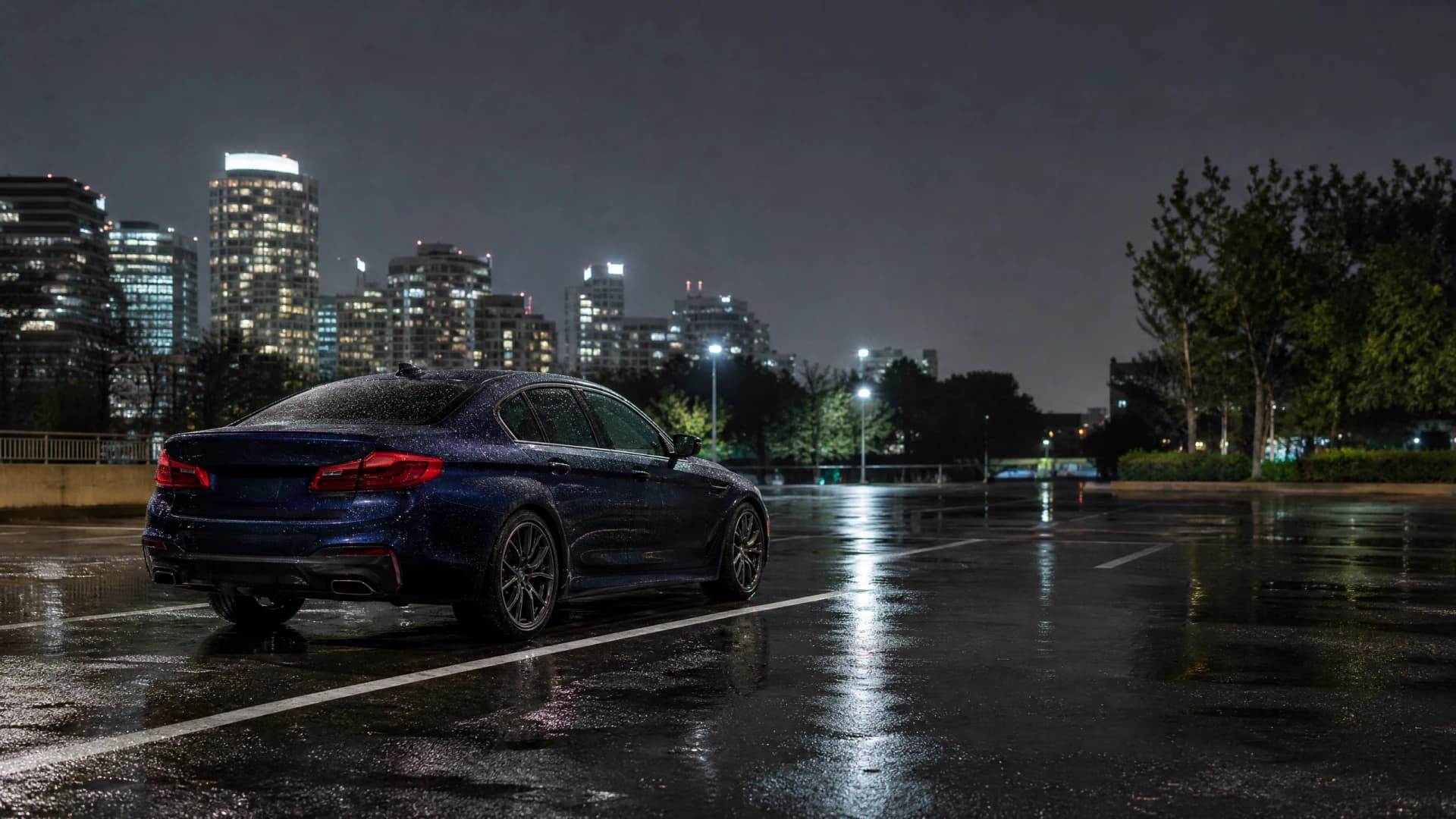
Adding vehicles to your policy does not increase your liability limits. The same 25/50/25 minimum applies whether you insure one car or five.






How Carriers Structure Liability on Multi-Car Policies
Ohio carriers write liability coverage at the policy level, not the vehicle level. When you add a second car, the carrier assigns the same liability limit to every vehicle on the policy. You cannot buy 25/50/25 for one car and 100/300/100 for another under the same policy. The limit applies to any accident involving any covered driver in any covered vehicle.
Some households assume they can stack liability limits by maintaining separate policies for each vehicle. Ohio law does not permit liability stacking. If you cause an accident while driving a vehicle insured under your spouse's separate policy, only that policy's limit applies. You cannot combine limits from two policies to cover one accident. Splitting vehicles across multiple policies does not increase your total liability protection; it only increases your administrative burden and often your combined premium.
Carriers re-rate your entire policy when you add a vehicle. The liability premium increases because the carrier now covers more exposure — more drivers, more trips, more accident opportunities — but the liability limit itself does not change unless you request a higher limit. Adding a third car to a minimum-coverage policy increases your premium but leaves you with the same $50,000 per-accident cap you had with two cars.
18.5%
Ohio Uninsured Motorist Rate
Nearly one in five Ohio drivers carries no insurance. If an uninsured driver hits your vehicle, your minimum liability coverage pays nothing for your own injuries or vehicle damage. Uninsured motorist coverage fills that gap.
Insurance Research Council, 2023

Raising Limits Costs Less Than the Gap They Cover
The cost of the higher limit is almost always lower than the out-of-pocket exposure you carry at minimum limits.
Multi-car households benefit disproportionately from higher limits because the same limit applies to every vehicle and every driver on the policy. A household with three cars and four drivers — two adults and two teenagers — faces higher accident risk than a one-car household. The incremental cost of higher limits spreads across the entire household's exposure.
Compare Carriers That Write Multi-Car Policies in Ohio
Ohio's minimum 25/50/25 liability requirement is the floor, not a recommendation. When you manage coverage for two or more vehicles, the same per-accident limit applies to every car on your policy. Higher limits protect household assets when a serious accident exceeds the minimum. Carriers price liability coverage differently, and the cost of raising limits varies by household size, driver count, and vehicle type. Compare quotes from carriers that write multi-car policies in Ohio to see what higher limits cost for your household. The gap between minimum coverage and adequate protection is smaller than the financial exposure you carry without it.
When Minimum Limits Fall Short for Multi-Car Households
Consider a scenario where your teenage driver causes an accident in one of your household's three vehicles. Two people are injured. Your $50,000 per-accident cap pays $25,000 to each injured party, leaving $30,000 in unpaid claims. The injured parties can sue you personally for the difference. Your home, savings, and future wages are at risk. The fact that you own three insured vehicles does not increase the $50,000 limit.
Property damage works the same way. Multi-car households often own higher-value vehicles or insure drivers with less experience, both of which increase the likelihood of a claim that exceeds minimum limits. Minimum coverage meets Ohio's legal requirement but does not protect household assets when a serious accident occurs.
Get Your Free Quote
Get My Ohio Car Insurance QuoteFrequently Asked Questions
Does adding a second car to my Ohio policy increase my liability coverage?
No. Ohio's 25/50/25 minimum liability limit applies per accident, not per vehicle. A policy covering three cars carries the same $50,000 per-accident bodily injury cap as a policy covering one car. The limit protects you as a driver, not the individual vehicles.
What does 25/50/25 liability coverage actually pay for in Ohio?
$25,000 per person injured, up to $50,000 total per accident, and $25,000 for property damage you cause.
Can I buy different liability limits for each car on my Ohio policy?
No. Carriers write liability coverage at the policy level. Every vehicle on your policy shares the same liability limit. You cannot assign 25/50/25 to one car and 100/300/100 to another under the same policy.
Can I stack liability limits from two separate policies to cover one accident?
No. Ohio does not permit liability stacking. If you cause an accident in a vehicle insured under one policy, only that policy's limit applies. Maintaining separate policies for each household vehicle does not increase your total liability protection.
How much does it cost to raise liability limits on a multi-car Ohio policy?
The cost varies by carrier and spreads across every vehicle and driver on the policy.
What happens if I cause an accident that exceeds Ohio's minimum liability limits?
You are personally liable for the difference. Injured parties can sue you for unpaid amounts and pursue your home, savings, and wages.