
Liability Coverage Limits — Ohio
Free to compare
The Multi-Car Liability Question
You own two or three vehicles. You're structuring one policy to cover all of them. You know Ohio requires liability insurance, but you're comparing the state minimum against higher limits, and you need to understand what the difference means when one policy covers multiple cars.
The structural reality: Ohio's minimum liability limit is $25,000 per person injured, $50,000 per accident, and $25,000 for property damage. That minimum applies to the policy, not to each vehicle. When your household owns multiple cars, every vehicle on the policy shares the same liability ceiling. One at-fault crash exhausts the limit for the entire policy, regardless of which car caused it.
“The minimum liability limit applies once per accident, no matter how many cars you insure.”

Check Your Rate Against Other Ohio Drivers
Get My Ohio Car Insurance Quote$25,000 / $50,000 / $25,000
Ohio Minimum Liability Limits
Bodily injury coverage per person, per accident, and property damage per accident. These limits apply to the policy as a whole, not per vehicle. Ohio Revised Code 4509.51 sets these minimums for all private passenger vehicles.
Ohio Revised Code 4509.51
What the Minimum Actually Covers
The $25,000 per person limit pays for one injured person's medical bills, lost wages, and pain-and-suffering damages up to that ceiling. The $50,000 per accident limit is the total the policy pays when multiple people are injured in the same crash. The $25,000 property damage limit covers the other driver's vehicle, fence, or building you hit.
Here's the friction point for multi-car households: you might assume each vehicle on your policy carries its own $25,000/$50,000/$25,000 protection. It doesn't. The limits apply once per accident, no matter how many cars you insure. If your teenager driving the family sedan causes a crash that injures two people, your policy pays up to $50,000 total for both injuries and $25,000 for property damage. That's the same limit a single-car household carries.
The exposure multiplies because you own multiple vehicles. More cars mean more drivers, more trips, more opportunities for an at-fault crash. The minimum limit that might cover a single-car household adequately leaves a multi-car household underinsured. One serious crash exhausts the policy limit, and you pay the remainder out of pocket.
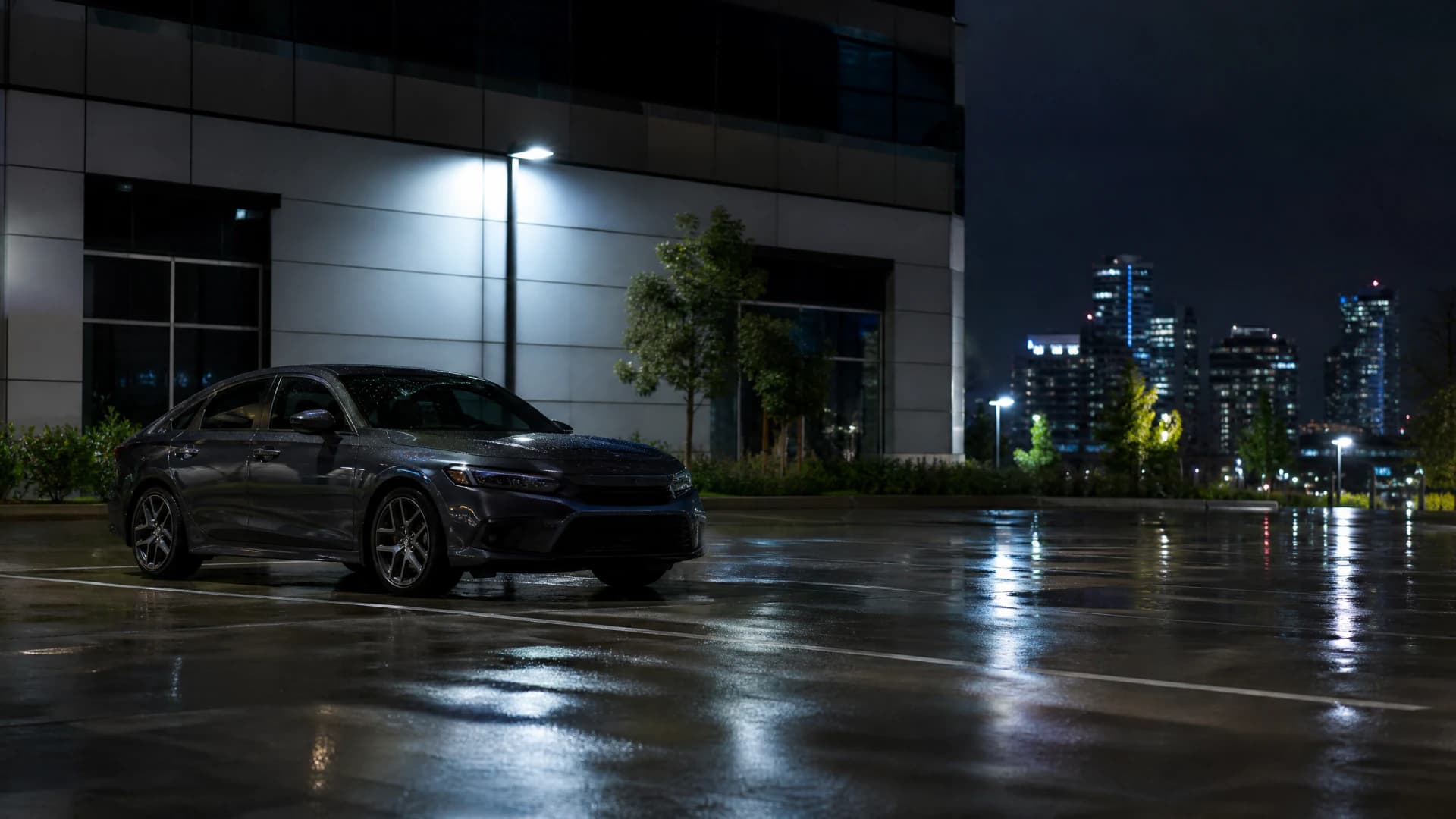
The minimum liability limit applies to the policy, not per vehicle. More cars on the policy do not increase the coverage ceiling.




How Asset Exposure Shapes the Decision
Liability coverage protects your assets when you're sued after an at-fault crash. If the injured party's damages exceed your policy limit, they can pursue a judgment against your savings, home equity, and future wages. The more assets your household holds, the higher the liability limit you need.
The injured party's attorney will discover your assets during the lawsuit.
Multi-car households often hold more assets than single-car households — you own multiple vehicles, you likely own a home, and you're insuring multiple drivers who may include teenage or young-adult children. The asset-protection calculation tilts toward higher limits. Compare the annual premium difference against the out-of-pocket cost of one uncovered claim.
18.5%
Ohio Uninsured Motorist Rate
Nearly one in five Ohio drivers carries no insurance. When an uninsured driver hits you, your uninsured motorist coverage pays your injuries up to your policy limit. Higher liability limits often pair with higher UM limits, protecting you in both at-fault and not-at-fault crashes.
Insurance Information Institute, 2023

Structuring Limits Across Multiple Vehicles
Every vehicle on your Ohio policy shares the same liability limit. The limit applies to the policy as a whole, and every covered vehicle draws from that shared ceiling.
If you want different liability limits for different vehicles, you must place them on separate policies. That structure eliminates the multi-car discount most carriers offer when every vehicle sits on one policy. The premium savings from the discount typically exceed the cost of raising the liability limit on a single shared policy. Splitting policies to vary limits rarely makes financial sense for a multi-car household.
Compare Carriers Writing Multi-Car Policies
Ohio carriers price liability limits differently. The only way to know which carrier offers the best cost-to-protection ratio for your household is to compare quotes at the same liability tier across multiple carriers.
Compare the annual premium difference between tiers and between carriers. The carrier offering the lowest minimum-coverage premium may not offer the best rate at higher limits. Multi-car households often find better value at a higher-limit tier with a carrier that prices those limits competitively. Use the comparison tool to request quotes at multiple liability tiers and see which combination fits your household's asset exposure and budget.
Higher Limits for Multi-Car Households
Each tier doubles or triples the per-person and per-accident injury coverage and raises the property damage ceiling. The higher the limit, the more the policy pays before you cover the remainder yourself.
Carriers price the first step up modestly because it reduces their catastrophic-loss exposure. The second and third steps cost more because the carrier is covering a much larger potential payout. Compare quotes at each tier to see where the cost-to-protection ratio makes sense for your household.
Get Your Free Quote
Get My Ohio Car Insurance QuoteFrequently Asked Questions
Does each car on my Ohio policy get its own liability limit?
No. The liability limit applies to the policy as a whole, not per vehicle. If you carry $25,000/$50,000/$25,000 and insure three cars, all three vehicles share that single limit. One at-fault crash exhausts the coverage regardless of which car caused it.
How much does it cost to raise liability limits on a multi-car policy in Ohio?
The premium increase varies by carrier, household, and the tier you choose. Compare quotes at multiple tiers across carriers to see the actual cost for your household.
Can I assign different liability limits to different cars on the same policy?
No. Ohio carriers apply one liability limit to the entire policy. Every vehicle on the policy shares that limit. To assign different limits to different vehicles, you must place them on separate policies, which eliminates the multi-car discount.
What happens if my at-fault crash damages exceed my liability limit?
You pay the remainder out of pocket. The injured party can sue you for the uncovered amount and pursue a judgment against your savings, home equity, and wages. Higher liability limits reduce that exposure.
Should I buy umbrella insurance instead of raising my auto liability limit?
Raise your auto liability limit first, then add umbrella coverage if your household assets exceed that tier.