
Ohio Car Insurance Requirements — State Minimums
Free to compare
What Ohio Law Requires You to Carry
Ohio requires every registered vehicle to carry liability insurance with minimum limits of $25,000 per person for bodily injury, $50,000 per accident for bodily injury, and $25,000 per accident for property damage. The state does not mandate personal injury protection or uninsured motorist coverage. You prove compliance at registration with an insurance card or electronic verification through the Ohio Bureau of Motor Vehicles database.
When you own two or more vehicles, each car on your policy must meet these minimums independently. A single policy covering three cars carries the same $25,000/$50,000/$25,000 floor per vehicle. The limits do not stack across cars — if two of your insured vehicles are involved in the same accident, each vehicle's coverage applies separately under Ohio law.
“Ohio's $50,000 per-accident bodily injury cap applies to all injured parties combined — one serious accident exhausts the minimum quickly.”

Check Your Rate Against Other Ohio Drivers
Get My Ohio Car Insurance Quote$25,000
Ohio Per-Person Bodily Injury Minimum
Ohio Revised Code 4509.51 sets the state's minimum liability limits at $25,000 per person, $50,000 per accident for bodily injury, and $25,000 for property damage. These are among the lowest minimums in the region.
Ohio Revised Code 4509.51
How Multi-Car Households Meet the Requirement
A household with two or more vehicles typically insures all cars on one policy. The multi-car discount applies when every vehicle sits on the same policy and shares a garaging address. Each vehicle on the policy must carry at least the state minimum limits, but the policy itself is a single contract with one liability limit that applies per accident, not per car.
When you add a second or third car mid-term, the carrier re-rates the entire policy rather than simply adding a flat amount. The new premium reflects the combined risk of all vehicles, all drivers, and all garaging locations on the policy. If a newly-added car is titled to someone outside the household or garaged at a different address, some carriers will not extend the multi-car discount to that vehicle.
Ohio law does not require you to combine vehicles on one policy. You can maintain separate policies for each car. The multi-car discount is a carrier product, not a legal mandate. Separate policies make sense when household members have significantly different driving records or when a vehicle is used commercially and requires a different coverage structure.
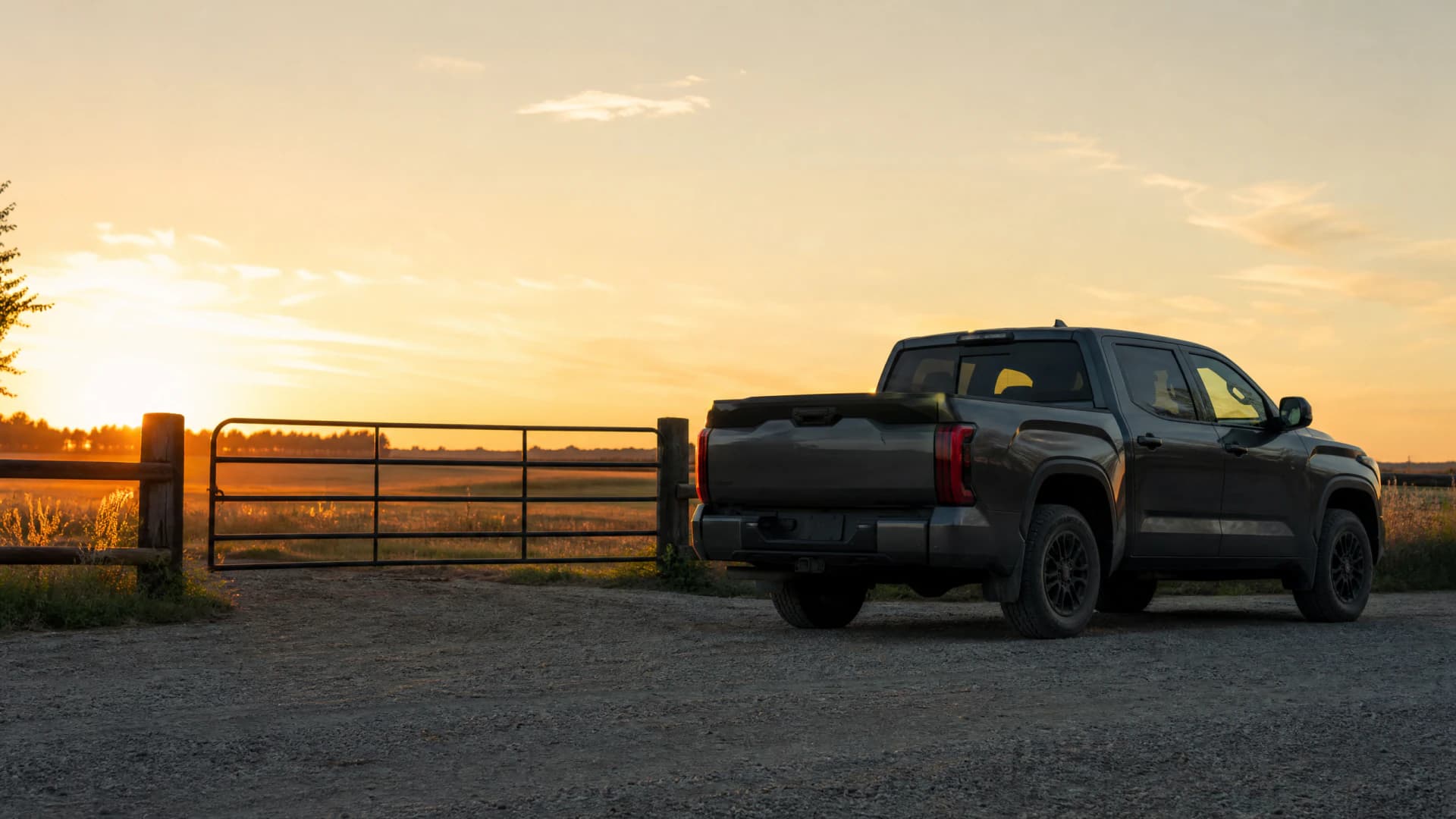
Ohio's $50,000 per-accident bodily injury cap applies to all injured parties combined. One serious accident involving multiple people exhausts the minimum quickly.
Related Articles


Proof of Insurance and Registration
Ohio requires proof of insurance at vehicle registration and during traffic stops. You prove coverage with an insurance card issued by your carrier or through the Ohio Bureau of Motor Vehicles electronic verification system. The BMV maintains a database of insured vehicles; carriers report policy information directly to the state. When you register a car, the deputy registrar verifies coverage electronically before issuing plates.
When you add a vehicle to an existing policy, notify your carrier immediately. Most carriers provide a grace period — typically 14 to 30 days — during which a newly-purchased car is automatically covered under your existing policy. That grace period applies only if you already insure at least one vehicle with the carrier. If you miss the notification window and drive the new car without adding it to the policy, the carrier can deny a claim. The BMV does not track mid-term additions in real time; verification happens at registration and renewal.
If your policy lapses or you cancel coverage, the carrier notifies the BMV electronically. The BMV then suspends your registration. Driving with a suspended registration is a first-degree misdemeanor in Ohio, punishable by a fine and potential jail time.
18.5%
Ohio Uninsured Motorist Rate
Nearly one in five Ohio drivers operates without insurance. Uninsured motorist coverage is optional in Ohio but protects you when an at-fault driver has no policy or insufficient limits to cover your damages.
Insurance Research Council, 2023

Optional Coverages That Matter for Multi-Car Policies
Uninsured and underinsured motorist coverage pays your medical bills and lost wages when an at-fault driver has no insurance or carries limits below your damages. Ohio does not require this coverage, but 18.5% of Ohio drivers are uninsured. When you own multiple vehicles, the risk that one of your household's cars will be hit by an uninsured driver increases proportionally. Uninsured motorist coverage applies per person and per accident, mirroring your liability limits.
Collision and comprehensive coverage are optional in Ohio unless your vehicle is financed or leased. Collision pays to repair your car after an accident regardless of fault; comprehensive covers theft, vandalism, weather damage, and animal strikes. When you insure multiple cars, you choose a deductible for each vehicle. A $500 deductible on one car and a $1,000 deductible on another is common when the vehicles have different values. Dropping collision and comprehensive on an older car with low market value reduces your premium without affecting the liability coverage that protects you legally.
Compare Carriers That Write Multi-Car Policies in Ohio
Ohio's insurance market includes 30 carriers writing multi-car policies, from preferred-tier companies like Erie and Auto-Owners to standard-market carriers like Geico and Progressive. Each carrier prices the multi-car discount differently. Some apply a percentage reduction per vehicle; others adjust the base rate when multiple cars appear on the policy. The discount structure is not standardized across carriers, and the carrier offering the lowest rate for one car may not offer the lowest rate for three.
When you compare quotes, provide identical coverage limits and deductibles to each carrier. Request quotes that reflect the actual number of vehicles, drivers, and garaging addresses in your household. Misrepresenting household composition to obtain a lower quote can result in claim denial. Use the comparison tool to request quotes from multiple carriers that write policies in your county.
What Happens When Minimum Coverage Is Not Enough
Ohio is an at-fault state. When you cause an accident, your liability coverage pays the other party's medical bills and property damage up to your policy limits. If the total claim exceeds your limits, the injured party can sue you personally for the remainder. A household with multiple cars faces higher exposure because more vehicles mean more opportunities for a claim that exceeds the minimums. The $25,000 property damage limit does not cover the replacement cost of most newer vehicles.
Carriers writing in Ohio — including Geico, Progressive, State Farm, Allstate, Nationwide, and Erie — offer higher liability limits at incremental cost. When you own a home, retirement accounts, or other assets, carrying only the state minimum exposes those assets to judgment in a lawsuit the minimum limits cannot cover.
Get Your Free Quote
Get My Ohio Car Insurance QuoteFrequently Asked Questions
Does Ohio require uninsured motorist coverage?
No. Ohio does not mandate uninsured or underinsured motorist coverage. It is optional. Given that 18.5% of Ohio drivers are uninsured, many households add this coverage to protect against at-fault drivers who carry no policy or insufficient limits.
Can I insure two cars on separate policies in Ohio?
Yes. Ohio law does not require you to combine vehicles on one policy. You can maintain separate policies for each car. The multi-car discount is a carrier product, not a legal mandate, so separate policies may make sense when household members have different driving records or coverage needs.
What happens if I add a car and forget to notify my insurance company?
Most carriers provide a grace period — typically 14 to 30 days — during which a newly-purchased car is automatically covered under your existing policy. If you miss that window and drive the new car without adding it, the carrier can deny a claim. Notify your carrier immediately after purchase to avoid coverage gaps.
How does Ohio verify that my car is insured?
Ohio uses an electronic verification system maintained by the Bureau of Motor Vehicles. Carriers report policy information directly to the state. At registration and during traffic stops, officials verify coverage through the BMV database or by checking your insurance card.
What is the reinstatement fee if my registration is suspended for no insurance?
You must also provide proof of insurance and resolve any other suspension causes before the BMV will reinstate your registration.
Do liability limits stack when I insure multiple cars on one policy?
No. Each vehicle on your policy must meet the state minimum limits independently, but the limits do not stack across cars. If two of your insured vehicles are involved in the same accident, each vehicle's coverage applies separately under Ohio law.