
Reading Your Declarations Page — Ohio
Free to compare
What You See When You Open the Declarations Page
You open your policy documents and find a declarations page that lists every vehicle in your household as a separate line item, each with its own coverage codes, limits, and premium allocation. The format looks clean, but you cannot immediately tell whether the second car you added last month actually has collision coverage, or whether the teen's vehicle carries the same liability limits as yours.
The declarations page is the single document that shows what you bought. It names every vehicle on the policy, assigns each one a specific coverage package, and breaks out the premium by car. When you insure multiple vehicles on one policy, the declarations page is where coverage differences between cars become visible — and where gaps appear if something was missed during the quoting or binding process.
“A vehicle added mid-term defaults to minimum coverage, not the package you carry on your other cars.”

Check Your Rate Against Other Ohio Drivers
Get My Ohio Car Insurance Quote$25,000 / $50,000 / $25,000
Ohio Minimum Liability Limits
Ohio requires $25,000 bodily injury per person, $50,000 per accident, and $25,000 property damage. Your declarations page must show liability limits at or above these minimums for every vehicle listed.
Ohio Revised Code 4509.51
How Multi-Vehicle Policies Display Coverage Per Car
Most Ohio carriers structure the declarations page as a table or list with one row per vehicle. Each row shows the VIN, year, make, model, and garaging address, followed by coverage codes or abbreviations. Collision and comprehensive appear as separate line items, often with a deductible amount in parentheses.
The critical detail: each vehicle can carry different coverage. The declarations page does not assume every car has the same package. If you selected full coverage for your daily driver but minimum liability for an older vehicle you drive occasionally, the declarations page will show that difference explicitly. If a vehicle was added mid-term and the coverage selection was not completed, that car may appear with liability only, even if you intended to add collision.
Check the premium column. The total policy premium is the sum of every vehicle's allocated premium. If one car shows a much lower premium than the others, that vehicle likely carries less coverage. If the premium allocation looks equal across all cars but you know one is older and worth less, the coverage may be identical when you expected it to differ.

A vehicle added mid-term defaults to the minimum coverage required to bind the policy, not the coverage package you carry on your other cars.






Where Coverage Gaps Appear on Multi-Vehicle Policies
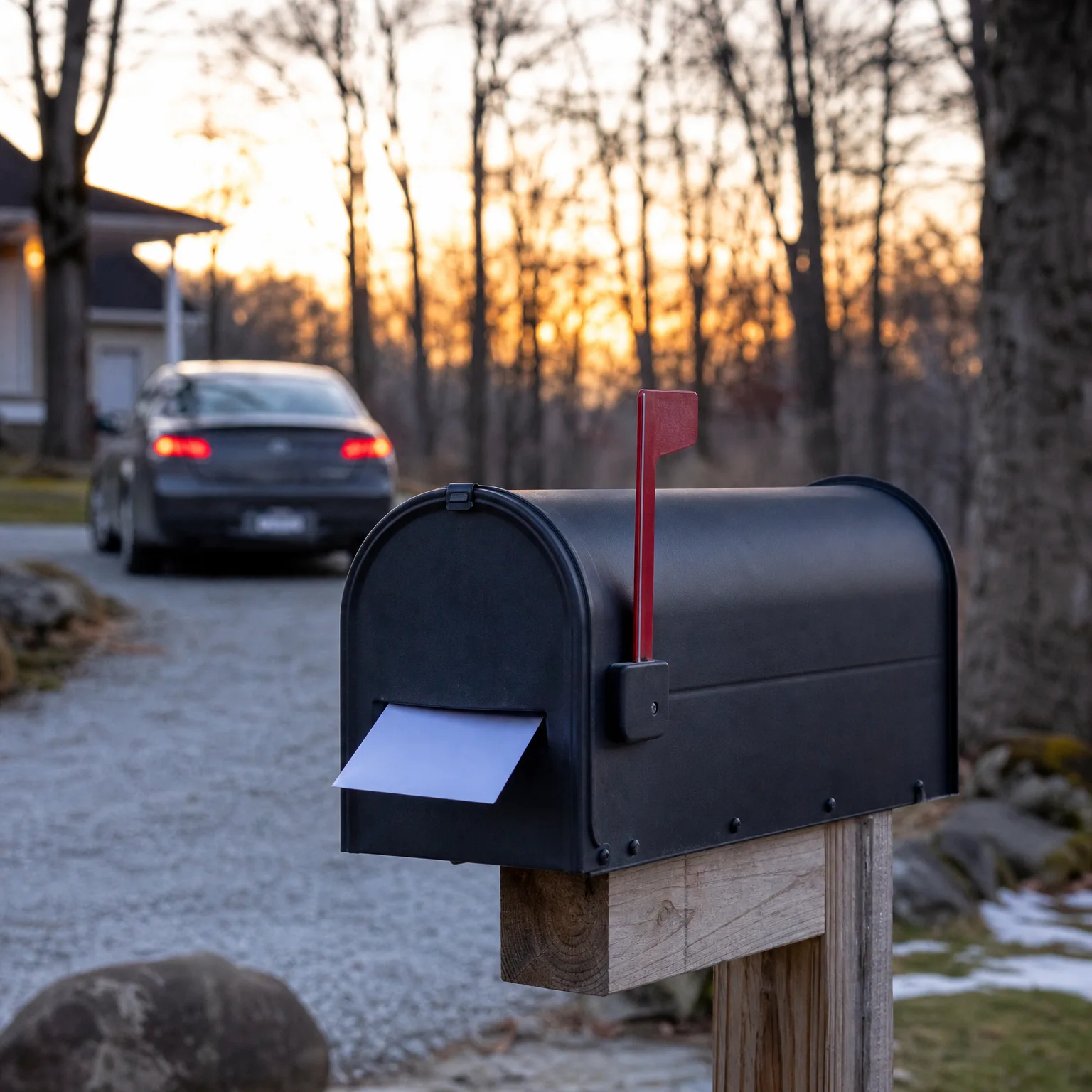
The most common gap: a newly-added vehicle appears on the declarations page with liability only, because the carrier bound the car under the policy's automatic coverage provision but did not receive instructions to add collision or comprehensive. Ohio carriers typically extend automatic coverage to a newly-acquired vehicle for a limited window (often 14 to 30 days depending on the carrier), but that automatic coverage matches the broadest coverage on any vehicle already on the policy only if you notify the carrier within the window. If you miss the notification deadline, the new car binds with liability only.
The second gap: a household member's car was added to the policy but carries lower liability limits than the other vehicles, because the carrier quoted it separately and applied a different coverage tier. This happens when one driver has a violation or a different risk profile, and the carrier segments the policy internally. The declarations page will show the difference, but many policyholders do not notice until a claim.
Check the named insured and listed drivers section. Every driver in the household who operates any vehicle on the policy must appear as a listed driver. If a driver is missing, the carrier may deny a claim involving that driver. If a driver appears but is assigned to the wrong vehicle, the premium allocation and coverage may not match what you expected.
18.5%
Ohio Uninsured Motorist Rate
Nearly one in five Ohio drivers carries no insurance. Uninsured motorist coverage protects your household when an at-fault driver cannot pay. Verify every vehicle on your declarations page carries UM/UIM coverage.
Insurance Research Council, 2023
What to Do When the Declarations Page Shows the Wrong Coverage
Call your carrier or agent immediately. The declarations page reflects the coverage in force as of the effective date printed at the top. If a vehicle shows liability only but you intended to add collision, the carrier can endorse the policy to add the coverage, but the endorsement is effective only from the date you request it forward — it does not backdate to cover a gap that already exists. If you discover the gap after an accident, the claim will be denied for the missing coverage.
Request a corrected declarations page after every change. When you add a vehicle, remove a vehicle, or change coverage on any car, the carrier issues an updated declarations page. Review it within 48 hours. Confirm every vehicle appears with the coverage you selected, the deductibles match your instructions, and the premium allocation makes sense. If anything looks wrong, call before the endorsement effective date passes.
Compare What You See to What You Need
Your declarations page is the legal record of what the carrier will pay when you file a claim. It supersedes the quote, the sales conversation, and any email or phone discussion. If the declarations page shows different coverage than you expected, the declarations page controls. Verify every vehicle carries at least Ohio's minimum liability limits. Confirm any car with a loan or lease carries collision and comprehensive with deductibles you can afford. Check that uninsured motorist coverage appears for every vehicle, because Ohio does not mandate it but nearly one in five drivers on the road carries no insurance.
Use the Ohio car insurance requirements page to confirm your liability limits meet state minimums and understand what optional coverages apply to your household. If you need to adjust coverage on any vehicle, contact your carrier now — waiting until renewal means driving with gaps for months.
Reading the Coverage Codes and Limits
Liability coverage appears as three numbers: bodily injury per person, bodily injury per accident, and property damage. Ohio's minimum is 25/50/25, but many households carry 100/300/100 or higher. The declarations page shows the limits you selected for each vehicle. If the limits differ between cars, the page will show that explicitly — one vehicle might carry 100/300/100 while another carries 25/50/25.
Collision and comprehensive appear as separate lines with deductible amounts. A typical entry reads 'COLL $500' or 'COMP $1000'. If a vehicle does not carry collision or comprehensive, the line will be blank or marked 'Not Covered'. Uninsured and underinsured motorist coverage appears as UM/UIM with limits that often match your liability limits. Personal injury protection does not apply in Ohio unless you specifically added it as optional coverage.
Get Your Free Quote
Get My Ohio Car Insurance QuoteFrequently Asked Questions
Does every car on my Ohio policy need the same coverage?
No. Each vehicle on a multi-car policy can carry different coverage levels. Your declarations page shows the specific coverage assigned to each car. Many households carry full coverage on financed vehicles and liability-only on older cars they own outright.
What does 100/300/100 mean on my declarations page?
These are your liability limits. Ohio requires at least 25/50/25, but higher limits protect your assets if you cause a serious accident.
How do I know if a newly-added car has collision coverage?
Check the declarations page for that vehicle's row. Collision appears as a separate line item with a deductible amount, such as 'COLL $500'. If the line is blank or marked 'Not Covered', the car carries liability only.
Can I add collision to a car that shows liability-only on my declarations page?
Yes. Contact your carrier to endorse the policy and add collision. The coverage becomes effective on the date you request it, not retroactively. If you had an accident before adding the coverage, the claim will not be covered.
Why does one car on my policy show a much lower premium than the others?
That vehicle likely carries less coverage. Compare the coverage codes on your declarations page. A car with liability-only costs significantly less than one with full coverage, collision, and comprehensive.
What happens if a driver in my household is not listed on the declarations page?
The carrier may deny a claim involving that driver. Every household member who operates any vehicle on the policy must appear as a listed driver. Contact your carrier immediately to add any missing drivers.