
Comprehensive Coverage for Multi-Car Households — Ohio
Free to compare
The Multi-Car Comprehensive Decision
You own three cars. Two are daily drivers worth protecting; the third is older, paid off, and you're weighing whether comprehensive coverage on that vehicle makes sense. Ohio law requires liability minimums of $25,000 per person, $50,000 per accident for bodily injury, and $25,000 for property damage on every registered vehicle, but comprehensive is optional. You can structure your policy so some cars carry full coverage and others carry liability only.
The confusion starts when you realize the multi-car discount applies to the entire policy, not vehicle by vehicle, and your carrier re-rates the whole policy when you add or drop comprehensive on any car. You need to understand how splitting coverage across vehicles affects both your premium and your protection when something happens to one of the cars.
“The multi-car discount applies to the total premium for all vehicles combined, regardless of which cars carry comprehensive.”

Check Your Rate Against Other Ohio Drivers
Get My Ohio Car Insurance Quote$25,000 / $50,000 / $25,000
Ohio Liability Minimums
Every vehicle on your Ohio policy must carry at least these limits to meet state registration requirements. Comprehensive coverage is optional and protects against theft, weather, vandalism, and animal strikes — risks unrelated to collision.
Ohio Revised Code 4509.45
What Comprehensive Actually Covers on Each Vehicle
Comprehensive coverage pays for damage to the insured vehicle caused by events other than collision: theft, hail, flood, fire, vandalism, falling objects, and animal strikes. It does not cover damage from hitting another car or object, and it does not cover liability for damage you cause to someone else's property. Those risks require collision and liability coverage respectively.
When you carry comprehensive on one vehicle but not another within the same household policy, the coverage applies only to the vehicle listed on the declarations page as carrying comp. If your older car has liability only and is stolen, you receive nothing for the vehicle itself. If your newer car with comprehensive is stolen, the carrier pays the actual cash value minus your deductible.
The multi-car discount — typically applied when two or more vehicles sit on the same policy — reduces the total premium but does not change which vehicles carry which coverages. Dropping comprehensive on one vehicle lowers your premium for that vehicle, but the discount percentage applies to the policy as a whole, not to individual cars.
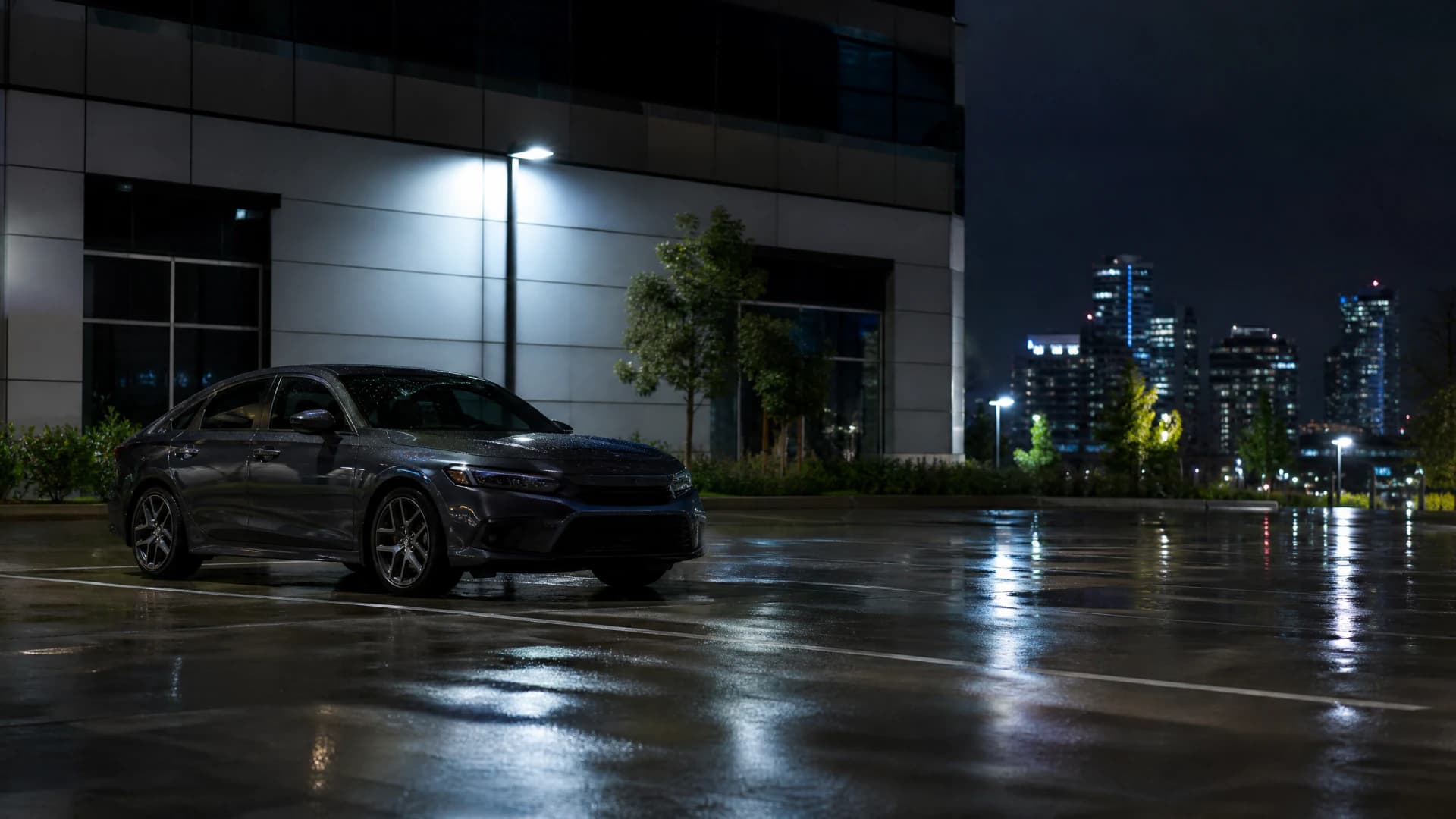
Splitting comprehensive across vehicles on one policy is allowed, but it creates a claim-time gap: the vehicle without comp is unprotected against theft and weather damage, even though it shares the policy and the multi-car discount with your covered cars.
Related Articles






When Splitting Coverage Makes Sense and When It Doesn't
The conventional threshold: if a vehicle's actual cash value is low enough that the annual comprehensive premium approaches or exceeds 10 percent of the car's value, many households drop comp and accept the risk of total loss from theft or weather.
Splitting coverage works when the older vehicle is genuinely disposable — you can afford to replace it out of pocket if it's stolen or totaled by hail, and you're comfortable with that risk. It does not work when the vehicle is still essential to your household's transportation and you lack the cash reserves to replace it.
Ohio's weather patterns matter here. Hail, flooding, and deer strikes are common across much of the state. A vehicle garaged in a rural county with high deer-collision rates or a ZIP code with frequent severe storms faces higher non-collision risk than one garaged in a low-risk urban area. Carriers price comprehensive to reflect that exposure, and your decision should too.
18.5%
Ohio Uninsured Motorist Rate
Nearly one in five Ohio drivers carries no insurance. Uninsured motorist coverage protects you when an at-fault driver cannot pay, but it does not cover theft or weather damage to your own vehicle — that requires comprehensive.
Insurance Information Institute, 2023

How the Multi-Car Discount Applies Across Mixed Coverage
The multi-car discount is a policy-level reduction, not a per-vehicle credit. When you insure three vehicles on one Ohio policy, the carrier applies the discount to the total premium for all three cars combined, regardless of whether all three carry comprehensive or only one does. Dropping comp on the oldest vehicle lowers the base premium for that car, and the multi-car discount then applies to the new lower total.
This means the discount does not disappear when you split coverage, but the savings from dropping comprehensive on one vehicle are smaller than you might expect. The carrier recalculates the entire policy premium, applies the multi-car discount to the new total, and the result is a modest reduction rather than the full per-vehicle comprehensive premium you were paying before.
Compare Carriers and Coverage Structures
Carriers vary in how they price comprehensive for older vehicles and how aggressively they apply the multi-car discount. Some carriers offer better rates for households that carry full coverage on every vehicle; others price liability-only vehicles more competitively within a mixed-coverage policy. The only way to know which structure costs less for your specific household is to compare quotes with the same coverage selections across multiple carriers.
When you request quotes, specify which vehicles will carry comprehensive and which will carry liability only. The quote you receive reflects the multi-car discount already applied to that coverage structure. If you later decide to add or drop comp on one vehicle, the carrier will re-rate the policy, and the new premium may differ from a simple subtraction of the old comprehensive cost.
How Carriers Structure Multi-Vehicle Comprehensive
A financed or leased vehicle almost always requires comprehensive and collision as a condition of the loan or lease agreement. Your lender is listed as a loss payee on the policy, and dropping comp before the loan is paid off violates the financing contract. For owned vehicles with no lien, the decision is yours. Carriers price comprehensive based on the vehicle's actual cash value, your deductible choice, your ZIP code's theft and weather risk, and your claims history.
When you add a third or fourth vehicle to an existing policy, the carrier re-rates the entire policy rather than simply tacking on a flat amount. Adding comprehensive to the new vehicle raises the total premium, but the multi-car discount — which you already earned by insuring two or more vehicles on the same policy — continues to apply to the new total. Dropping comprehensive on an older vehicle mid-term triggers a re-rate as well, lowering your premium but leaving that car unprotected.
Get Your Free Quote
Get My Ohio Car Insurance QuoteFrequently Asked Questions
Can I carry comprehensive on one car and liability only on another within the same Ohio policy?
Yes. Ohio carriers allow you to select comprehensive coverage vehicle by vehicle within a multi-car policy. The multi-car discount applies to the total premium regardless of which vehicles carry comp. Each vehicle must meet Ohio's minimum liability limits of $25,000 per person, $50,000 per accident for bodily injury, and $25,000 for property damage.
Does dropping comprehensive on one vehicle affect my multi-car discount?
No. The multi-car discount is a policy-level reduction that applies when you insure two or more vehicles on the same policy. Dropping comprehensive on one vehicle lowers your total premium, and the discount then applies to the new lower total. The discount itself does not disappear.
What happens if my liability-only vehicle is stolen?
You receive no payment for the vehicle itself. Comprehensive coverage pays for theft, and liability-only coverage does not include comp. If the stolen vehicle was financed, you still owe the lender the remaining loan balance even though the car is gone.
How do I decide which vehicles should carry comprehensive?
Financed or leased vehicles almost always require comprehensive as a loan condition. For owned vehicles, compare the annual comprehensive premium to the vehicle's actual cash value. If the premium approaches 10 percent of the car's value and you can afford to replace the vehicle out of pocket, dropping comp may make sense.
Do Ohio carriers price comprehensive differently for multi-car policies?
Carriers price comprehensive based on each vehicle's actual cash value, your deductible, your ZIP code's theft and weather risk, and your claims history. Some carriers offer better rates for households that carry full coverage on every vehicle; others price mixed-coverage policies more competitively. Compare quotes with your specific coverage structure across multiple carriers.