
Rental Reimbursement Coverage — Ohio
Free to compare
The Per-Vehicle Reality Multi-Car Households Miss
You carry three vehicles on one Ohio policy. You added rental reimbursement when you bought the policy, assuming it covers the household if any car goes into the shop. Then your daily commuter gets hit, you file the claim, and the carrier tells you rental reimbursement was elected on the other two vehicles but not the one in the collision center. You are without transportation for a week while repairs finish, even though you are paying for rental coverage on two cars sitting in your driveway.
Rental reimbursement in Ohio is a per-vehicle endorsement. The coverage attaches to the specific car named on the endorsement, not to the policy as a whole and not to the household. A claim on an uncovered vehicle produces no rental benefit, regardless of how many other cars on the same policy carry the coverage. Multi-vehicle households structuring coverage across several cars must decide which vehicles justify the endorsement and which do not, because the per-vehicle structure makes blanket assumptions expensive and selective coverage risky.
“Rental reimbursement attaches to the vehicle, not the policy—a claim on your uncovered commuter produces no benefit even when two garage cars carry it.”

Check Your Rate Against Other Ohio Drivers
Get My Ohio Car Insurance Quote$25,000 / $50,000 / $25,000
Ohio Minimum Liability Limits
Ohio requires $25,000 bodily injury per person, $50,000 per accident, and $25,000 property damage. Rental reimbursement is optional and sits outside these statutory minimums—you elect it per vehicle when structuring collision and comprehensive coverage.
Ohio Revised Code 4509.51
How Rental Reimbursement Works on a Multi-Vehicle Policy
The coverage triggers only when the claim is filed under collision or comprehensive on the specific vehicle that carries the endorsement. If your policy covers four vehicles and rental reimbursement sits on two of them, only claims against those two vehicles produce rental benefits.
The per-vehicle structure creates a mismatch for households where one car does most of the driving. Your primary commuter logs 15,000 miles a year; your second vehicle covers weekend errands; your third car sits in the garage most weeks. A collision claim is statistically likeliest on the high-mileage commuter, but many households add rental coverage to the newer or more expensive vehicles instead, leaving the daily driver uncovered. When the claim hits the uncovered car, the household loses its primary transportation with no rental benefit, even though two other vehicles on the policy carry the endorsement.
Carriers price rental reimbursement as a flat per-vehicle annual charge. Adding it to one vehicle costs the same whether that vehicle is your only car or one of five on the policy. There is no household or multi-vehicle discount for rental coverage. If you elect it on all vehicles, you pay the per-vehicle charge multiplied by the number of cars. A household with three vehicles pays three times the single-vehicle cost, even though only one rental is needed during any single claim.
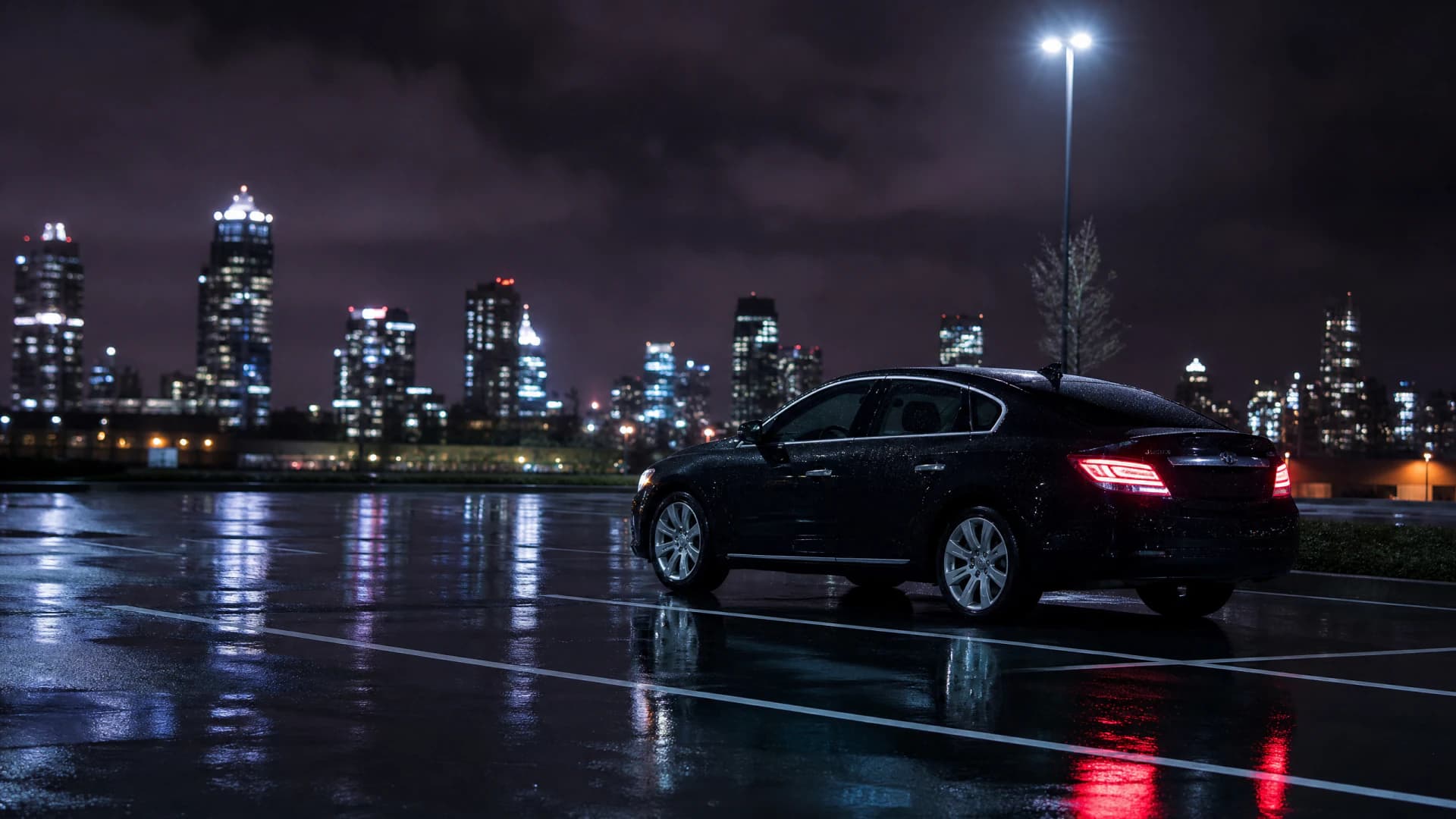
A claim on your uncovered daily commuter leaves you without transportation, even when your garage-kept third car carries rental reimbursement on the same policy.
Related Articles







When Skipping Rental Coverage Makes Sense
A household with multiple vehicles already owns substitute transportation. If your commuter goes into the shop for a week, your spouse's car or your third vehicle can cover essential trips while repairs finish. The rental reimbursement endorsement pays for a rental car, but you may not need one when another household vehicle sits available. Paying the per-vehicle charge on every car to cover a scenario your household can already navigate with owned vehicles produces no net benefit.
Rental reimbursement makes sense when a claim would leave the household without any driveable vehicle, or when the remaining vehicles cannot cover the household's transportation needs during the repair window. A two-vehicle household where both adults commute to separate jobs in opposite directions cannot function on one car for a week. A four-vehicle household where one car is out of service and three remain can usually absorb the gap without renting. The decision turns on whether the household's remaining vehicles can cover its transportation requirements during a typical repair period, not on how many cars the policy insures.
If the household files a collision or comprehensive claim once every three years on average, the cumulative cost of covering all four vehicles exceeds the out-of-pocket rental cost over that period. Households that can cover a one-time rental expense without financial strain often come out ahead skipping the endorsement entirely and paying for the rental only when the claim actually occurs.
18.5%
Ohio Uninsured Motorist Rate
Nearly one in five Ohio drivers carries no insurance. Uninsured-motorist claims trigger rental reimbursement only when the at-fault driver is uninsured and your own collision coverage applies—rental coverage does not extend to liability-only claims where the other party's carrier pays.
Insurance Research Council, 2023

How Claims Against Different Vehicles Change the Outcome
Your policy covers three vehicles: a 2018 sedan you drive daily, a 2015 SUV your spouse uses for work, and a 2008 truck you use twice a month for hauling. You elected rental reimbursement on the sedan and the SUV, skipping it on the truck. A deer strike totals the truck. Comprehensive coverage pays the actual cash value, but no rental benefit applies because the truck does not carry the endorsement. You are without the truck for the two weekends per month you need it, but the household's daily transportation continues uninterrupted because the sedan and SUV remain available.
Now reverse the scenario: the sedan is hit in a parking lot and needs two weeks of body work. Rental reimbursement applies because the sedan carries the endorsement. The carrier pays up to the daily limit while repairs finish. The household continues functioning with the rental covering your commute and the SUV covering your spouse's. The truck sits available for weekend hauling as usual. The per-vehicle structure worked because the claim hit a covered vehicle and the household's transportation needs aligned with the coverage election.
Compare Carriers Writing Multi-Vehicle Policies in Ohio
Ohio carriers writing multi-vehicle policies include Allstate, American Family, Geico, Nationwide, Progressive, and State Farm, among others. Not all carriers offer identical rental reimbursement terms. Maximum durations vary from 30 days to unlimited, though most Ohio households select the standard 30-day cap. Some carriers allow you to elect different rental limits on different vehicles within the same policy; others apply a uniform election across all covered cars.
When structuring rental coverage across multiple vehicles, request quotes that show the per-vehicle cost for each car separately. Carriers that write multi-vehicle policies in Ohio typically display the rental endorsement charge as a line item per vehicle on the declarations page. Compare the annual cost of covering all vehicles against the cost of covering only your highest-use cars, and weigh both against the out-of-pocket cost of a rental if you skip the endorsement entirely. The right structure depends on your household's transportation redundancy, your ability to absorb a sudden rental expense, and how many vehicles genuinely need coverage versus how many you are insuring out of assumption.
Structuring Rental Coverage Across Multiple Vehicles
Covering every vehicle eliminates the per-vehicle mismatch but multiplies the annual cost. A household with four cars pays four times the per-vehicle charge, producing an annual outlay that exceeds the cost of a week-long rental in most Ohio markets. This approach makes sense when the household cannot absorb a sudden rental expense or when every vehicle sees regular use and comparable claim risk. It does not make sense when one or two cars account for most household miles and the others sit idle most weeks.
Covering only the high-use vehicles reduces cost but introduces risk. You elect rental reimbursement on your primary commuter and your spouse's daily driver, skipping it on the weekend car and the garage-kept classic. A claim on either covered vehicle produces rental benefits; a claim on the uncovered cars does not. This structure works when the household can tolerate a transportation gap if a low-use vehicle goes into the shop, or when a second covered car remains available during the claim. It fails when both high-use cars are in the shop simultaneously, or when the household depends on the uncovered vehicle during a specific window and a claim hits during that period.
Get Your Free Quote
Get My Ohio Car Insurance QuoteFrequently Asked Questions
Does rental reimbursement cover all vehicles on my Ohio policy?
No. Rental reimbursement is elected per vehicle, not per policy. Only vehicles that carry the endorsement produce rental benefits when a covered claim is filed. A household with four cars on one policy must elect rental coverage separately on each vehicle that needs it.
Can I add rental reimbursement to only one car on a multi-vehicle policy?
Yes. Ohio carriers allow you to elect rental reimbursement on some vehicles and skip it on others within the same policy. You pay the per-vehicle charge only for the cars that carry the endorsement. Most households cover their highest-use vehicles and skip coverage on rarely-driven cars.
What happens if I file a claim on a vehicle without rental coverage?
You receive no rental reimbursement benefit, even if other vehicles on your policy carry the endorsement. The coverage applies only to the specific vehicle named on the endorsement. You would pay out of pocket for a rental if your household needs substitute transportation during repairs.
Does rental reimbursement apply when another driver hits my car?
Only if you file the claim under your own collision coverage. If the at-fault driver's liability insurance pays for repairs and the rental, your rental reimbursement does not apply. The endorsement triggers only when you file a collision or comprehensive claim on your own policy for the covered vehicle.
Is rental reimbursement worth it for a household with multiple cars?
It depends on whether your household can function on its remaining vehicles during a repair. A household with four cars can usually absorb one being out of service without renting. A two-vehicle household where both adults commute separately may need rental coverage on both cars to avoid a transportation gap.