
Car Insurance Cost — Ohio
Free to compare
What You're Actually Paying For
You're looking at quotes for your household's cars in Ohio and the monthly totals don't match what you expected. One carrier quotes each vehicle separately; another bundles them on a shared policy with a multi-car discount. The difference isn't just the discount — it's how the policy is structured and what that structure requires.
Ohio law mandates $25,000 per person and $50,000 per accident in bodily injury liability, plus $25,000 in property damage liability. That's the floor for every vehicle you register. What you pay above that floor depends on how many vehicles share the policy, where they're garaged, who drives them, and whether you're buying minimum coverage or adding collision and comprehensive. The multi-car discount exists, but it only applies when every vehicle in your household sits on the same policy — and that's where the structural decision lives.
“The multi-car discount only applies when every vehicle sits on one policy — separate policies mean no discount, even if the vehicles are garaged together.”

Check Your Rate Against Other Ohio Drivers
Get My Ohio Car Insurance Quote$807.77
Ohio Annual Auto Expenditure Per Vehicle
Ohio drivers paid an average of $807.77 per insured vehicle annually in 2023, according to NAIC data. That figure reflects the statewide average across all coverage levels and driver profiles; your household's actual cost depends on how many vehicles you insure together and the coverage you select.
NAIC Auto Insurance Database Report 2023
The Policy-Structure Reality
The multi-car discount is not automatic. It requires every vehicle to appear on the same policy, issued to the same named insured, and in most cases garaged at the same address. If you own three cars but one is titled to a household member on a separate policy, that vehicle does not count toward the discount on your policy. If your spouse maintains their own policy after you marry, combining into one shared policy is the only way to unlock the multi-car savings.
Carriers calculate premiums by rating the entire policy, not by adding flat per-vehicle amounts. When you add a second or third car, the carrier re-rates the policy from scratch — factoring in every driver, every vehicle, every coverage selection, and the multi-car discount if applicable. That's why adding a vehicle mid-term can produce a smaller or larger increase than you expected. The discount applies to the combined premium, not to each car individually.
Separate policies mean separate base rates, separate liability limits, and no multi-car discount. Some households choose this structure intentionally — when a teen driver's car sits on its own policy to isolate the rate impact, or when a rarely-driven classic car needs specialized coverage. But for most households insuring daily-use vehicles, one shared policy with the multi-car discount produces the lowest combined cost.
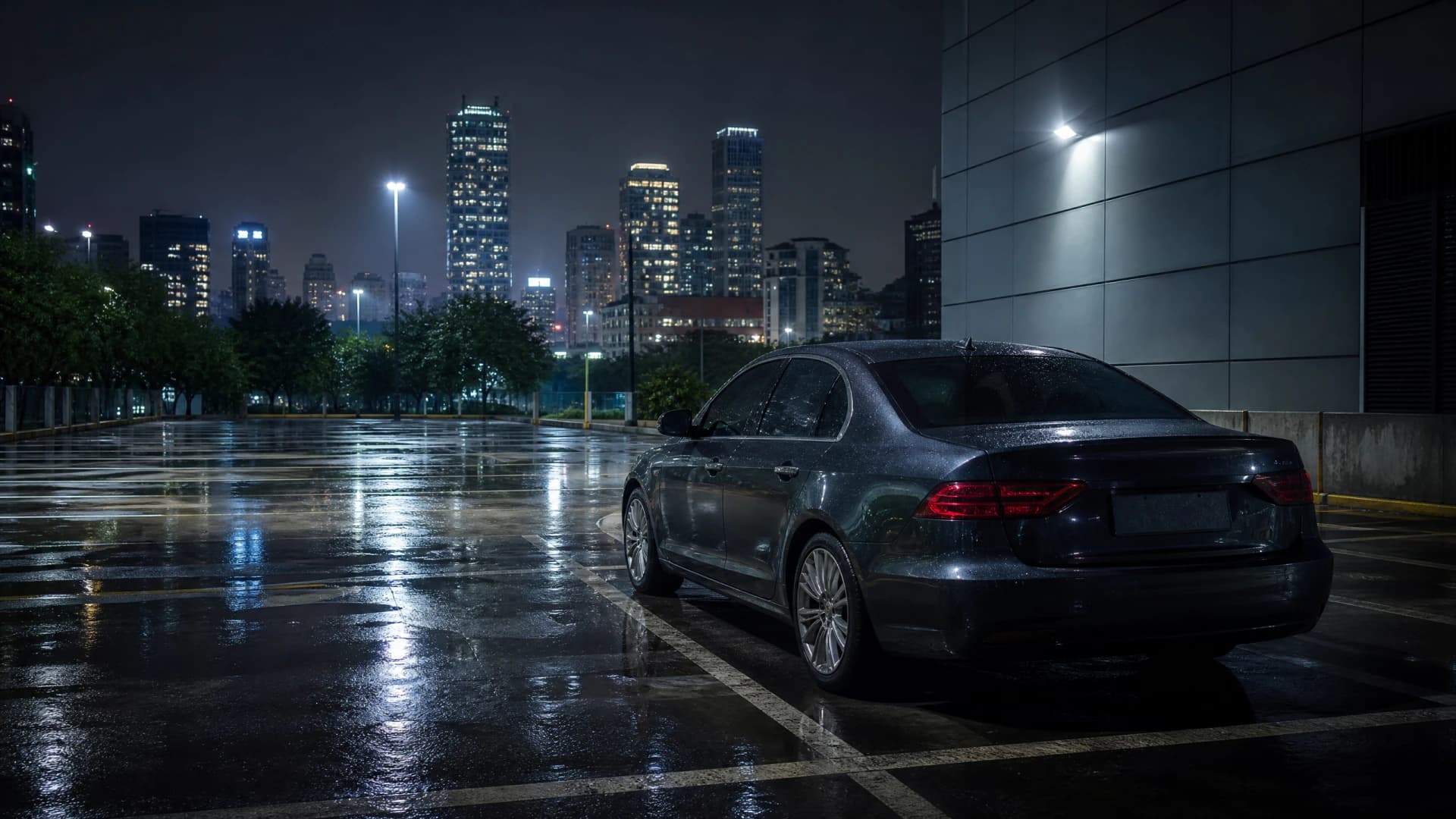
The multi-car discount only applies when every vehicle sits on one policy. Separate policies mean no discount, even if the vehicles are garaged together.







What Changes the Cost Across Multiple Vehicles
The number of vehicles matters, but so does the mix. Two sedans garaged in a suburban ZIP code cost less to insure together than two sedans plus a sports car garaged downtown. Carriers price each vehicle based on its theft rate, repair cost, and accident frequency, then apply the multi-car discount to the combined total. A household adding a high-value or high-performance vehicle sees a larger premium increase than a household adding an older sedan, even with the discount applied.
Driver assignment changes the math. Ohio carriers require you to list every licensed household member and assign each to a primary vehicle. If you add a vehicle and a teen driver at the same time, the carrier rates the teen as the primary driver of that vehicle — and teen driver rates are higher than adult rates, regardless of the vehicle. If the teen drives an existing vehicle already on the policy, the carrier re-rates that vehicle with the teen as primary, and the premium adjusts accordingly.
Coverage selections compound across vehicles. Carrying collision and comprehensive on three vehicles costs more than carrying liability-only on all three, but the multi-car discount applies to the total premium either way. Some households drop collision on older vehicles to lower the combined cost while keeping full coverage on newer cars. The policy structure allows that flexibility — each vehicle gets its own coverage selections, but the discount applies to the whole policy.
18.5%
Ohio Uninsured Motorist Rate
18.5% of Ohio motorists drove uninsured in 2023. That rate makes uninsured motorist coverage worth weighing for multi-car households, especially when the cost spreads across several vehicles on one policy.
Insurance Information Institute, 2023

Comparing Carriers for Multi-Vehicle Households
Not every carrier writes multi-car policies the same way. Some apply a larger discount at three vehicles than at two; others cap the discount at a fixed percentage regardless of vehicle count. Some carriers allow you to mix coverage levels freely across vehicles; others require collision and comprehensive on every vehicle if you carry it on one. Ohio has 29 carriers writing auto insurance in the state, and their multi-car structures vary enough that comparing quotes across carriers is the only way to find the lowest combined cost for your household's specific vehicle mix.
Carriers writing in Ohio include Geico, Progressive, State Farm, Allstate, Nationwide, Erie, Farmers, Liberty Mutual, American Family, Travelers, and others. Some specialize in preferred-tier households with clean records; others write non-standard policies for drivers with violations or lapses. When you're insuring multiple vehicles, the carrier's willingness to write all of them on one policy matters as much as the per-vehicle rate. A carrier that won't insure one of your vehicles forces you into separate policies and eliminates the multi-car discount.
Compare Quotes for Your Household's Vehicle Count
The only way to know what your household pays is to compare quotes that reflect your actual vehicle count, driver roster, garaging address, and coverage selections. Generic estimates don't account for the multi-car discount, the specific mix of vehicles you're insuring, or the carrier-specific policy structures that change the math. Request quotes from at least three carriers, specify that you're insuring multiple vehicles on one policy, and compare the combined annual or monthly premium — not the per-vehicle breakdown, which doesn't reflect the discount.
How Multi-Car Policy Structure Works
A multi-car policy lists every vehicle under one policy number, issued to one named insured. Each vehicle gets its own coverage selections — you can carry collision on the newer car and drop it on the older one — but the liability limits apply across the entire policy. The carrier rates every vehicle together, applies the multi-car discount to the combined premium, and issues one renewal notice covering all vehicles. Most carriers require every vehicle to be garaged at the same address, though some allow exceptions for college students or vehicles kept at a second property.
When you add a vehicle mid-term, the carrier re-rates the policy immediately. The new vehicle's characteristics — year, make, model, garaging ZIP code — combine with the existing vehicles' profiles and the household's driver roster to produce the revised premium. The multi-car discount adjusts automatically based on the new vehicle count. If you remove a vehicle, the same re-rating happens: the discount recalculates for the remaining vehicles, and the premium adjusts at the next billing cycle.
Get Your Free Quote
Get My Ohio Car Insurance QuoteFrequently Asked Questions
Does Ohio require the same coverage on every vehicle in a multi-car policy?
No. Ohio requires every registered vehicle to carry the state minimum liability limits — $25,000 per person, $50,000 per accident, and $25,000 property damage — but you can choose different coverage levels for each vehicle on the same policy. You can carry collision and comprehensive on newer cars and drop them on older vehicles.
Can I insure my spouse's car on my policy in Ohio?
Yes, if you're both listed on the same policy as named insureds or household members. Most carriers require married couples to combine vehicles onto one policy to qualify for the multi-car discount. If your spouse maintains a separate policy, you won't get the discount on either policy.
How much does adding a third car to my Ohio policy increase my premium?
The increase depends on the vehicle's year, make, model, garaging ZIP code, and the driver assigned to it. The carrier re-rates the entire policy when you add a vehicle, applying the multi-car discount to the new total. The increase is not a flat per-vehicle amount — it reflects the combined risk of all three vehicles.
Do all Ohio carriers offer a multi-car discount?
Most carriers writing in Ohio offer a multi-car discount, but the discount size and structure vary by carrier. Some apply a larger discount at three vehicles than at two; others cap the discount regardless of vehicle count. Comparing quotes from multiple carriers is the only way to find the lowest combined cost.
Can I keep separate policies for my two cars in Ohio?
Yes, but you won't qualify for the multi-car discount. Separate policies mean separate base rates and no discount, even if both vehicles are garaged at the same address. For most households, combining vehicles onto one policy produces lower combined premiums.
Does Ohio require uninsured motorist coverage on a multi-car policy?
No. Ohio does not mandate uninsured motorist coverage, but 18.5% of Ohio drivers were uninsured in 2023. Many multi-car households add uninsured motorist coverage because the cost spreads across several vehicles on one policy.