
Progressive Multi-Car Insurance — Ohio
Free to compare
Progressive Multi-Car Coverage in Ohio
You just bought a second car and called Progressive to add it to your existing Ohio policy. The agent quoted a new premium that's higher than you expected, even with the multi-car discount applied. Or you're married and each spouse has a separate Progressive policy, and you're trying to figure out whether combining them into one household policy actually saves money or just complicates billing.
Progressive writes standard-tier auto insurance in Ohio with online quoting and supports SR-22 filing, non-owner policies, and after-DUI coverage. The carrier's multi-car discount applies when you insure two or more vehicles on the same policy, but the discount structure and same-policy requirement create friction points that competing pages skip. This article walks the specific structural reality of Progressive's multi-vehicle coverage in Ohio, the same-policy and garaging-address requirements that determine whether you qualify for the discount, and the re-rating behavior that happens when you add or remove a vehicle mid-term.
“Adding a vehicle mid-term re-rates the entire policy based on the combined risk profile, not just the new car's premium.”

Check Your Rate Against Other Ohio Drivers
Get My Ohio Car Insurance Quote$25,000 / $50,000 / $25,000
Ohio Minimum Liability Limits
Ohio requires $25,000 bodily injury per person, $50,000 per accident, and $25,000 property damage. Progressive's multi-car discount applies on top of these minimums, but adding a second vehicle re-rates the entire policy based on both cars' risk profiles.
Ohio Revised Code 4509.45
How Progressive's Multi-Car Discount Actually Works
Progressive's multi-car discount requires every vehicle to sit on the same policy. Not the same household, not the same billing account: the same policy document. If you own two cars but one is titled to a household member who maintains a separate Progressive policy, neither policy qualifies for the multi-car discount. The discount applies to the policy premium, not to individual vehicles, and the amount varies by state, risk profile, and coverage selections.
The same-policy requirement extends to garaging address. Progressive typically requires every vehicle on a multi-car policy to be garaged at the same address. A car garaged at a second home, a college student's dorm address, or a work location may not qualify for the same-policy discount even if it's titled to the same household. The carrier evaluates garaging address at the time you add the vehicle and again at renewal.
Adding a vehicle mid-term re-rates the entire policy rather than simply adding a flat amount. Progressive recalculates the premium for every vehicle on the policy based on the combined risk profile: the new car's make, model, year, and use, plus the driving records of every listed driver. A second car with a higher theft rate or a household member with recent violations can push the combined premium higher than the sum of two separate policies, even with the multi-car discount applied.
The multi-car discount does not stack with every other discount. Progressive applies discounts in a sequence, and some discounts reduce the base premium before the multi-car discount is calculated, while others apply after. The order matters: a smaller discount on a lower base rate can produce a lower final premium than a larger discount on a higher one. Ask the agent to walk the discount sequence when you add the second vehicle so you understand what's actually reducing your premium.
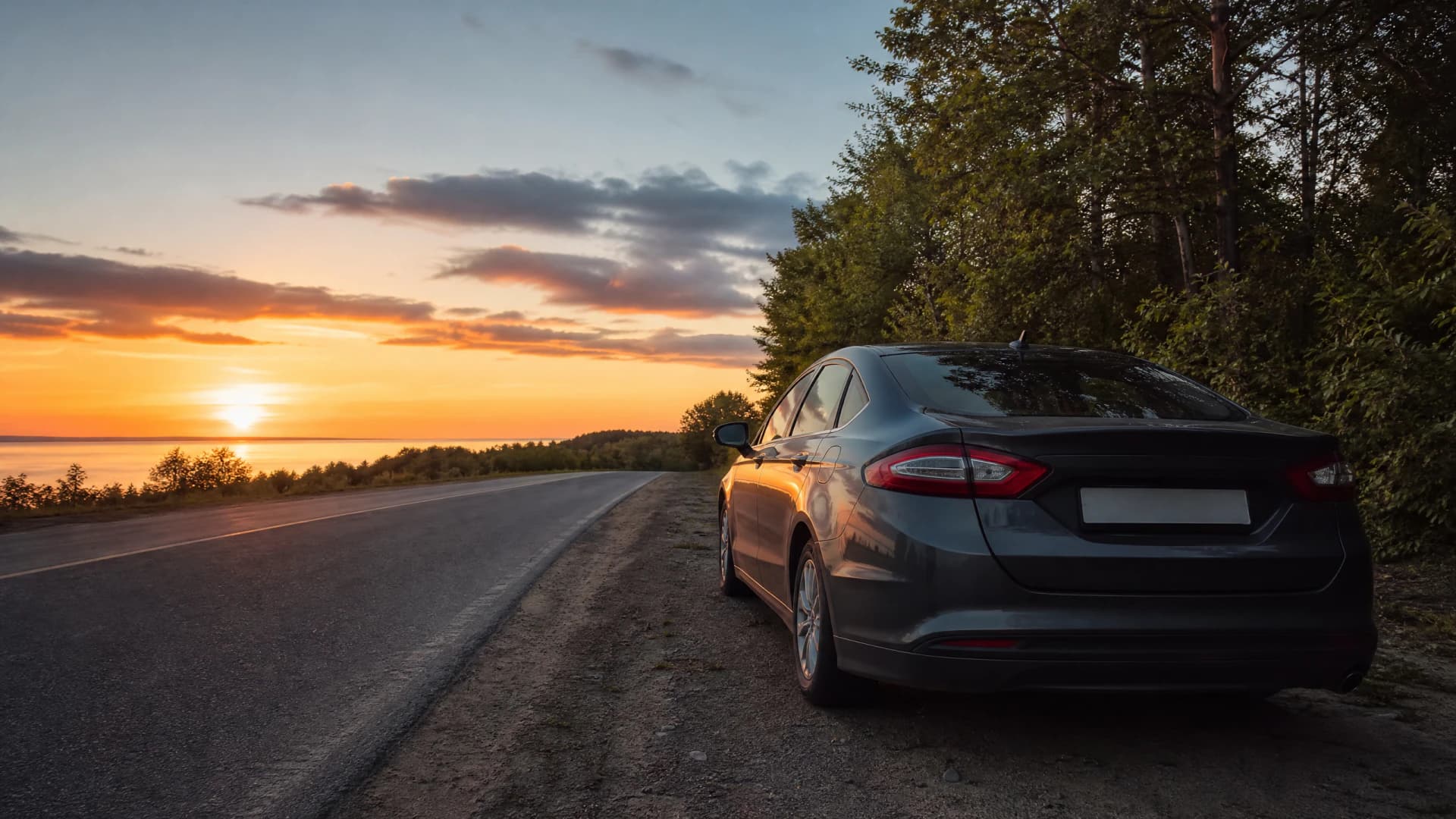
The multi-car discount applies only when every vehicle sits on the same policy at the same garaging address. A household member's separate policy does not count toward your multi-car discount, even if both policies are with Progressive.



Combining Two Progressive Policies After Marriage or a Move
You got married and each spouse has a separate Progressive policy. Combining them into one household policy usually lowers the combined premium because the multi-car discount applies and Progressive rates married couples as lower risk than single drivers. But the savings depend on the driving records, vehicles, and coverage selections on each policy. If one spouse has recent violations or drives a high-risk vehicle, the combined premium can exceed the sum of the two separate policies.
Progressive allows you to combine policies mid-term, but the process requires a full re-underwriting of both policies. The carrier evaluates every vehicle, every driver, and every coverage selection as if you're writing a new policy from scratch. Discounts that applied to one policy may not transfer to the combined policy, and coverage limits may need to be standardized across both vehicles. Request a combined-policy quote before you cancel either existing policy so you can compare the actual combined premium to the sum of your current premiums.
A household member moving in with a car creates the same structural question. If the new household member keeps a separate Progressive policy, neither policy qualifies for the multi-car discount. If you add their car to your policy, Progressive re-rates your entire policy based on the new household member's driving record and the added vehicle's risk profile. The multi-car discount applies, but the combined premium depends on whether the new household member's risk profile offsets the discount savings.
37 carriers
Ohio Auto Insurance Carriers
Ohio's competitive carrier market includes 37 insurers writing standard, preferred, and non-standard auto policies. Progressive is one of the largest writers in the state and offers online quoting, SR-22 filing, and multi-car discounts, but comparing carriers that write multi-vehicle policies helps you confirm whether Progressive's combined premium beats competitors' rates for your household's vehicles.

When a Separate Policy Beats a Combined One
A combined multi-car policy does not always produce the lowest premium. If one household member has recent violations, a DUI, or multiple at-fault accidents, their driving record can push the combined policy premium higher than the sum of two separate policies even with the multi-car discount applied. Progressive rates the entire policy based on the highest-risk driver in the household, and that risk profile applies to every vehicle on the policy.
A rarely-driven vehicle can also cost more on a combined policy than on a separate low-mileage or storage policy. Progressive's multi-car discount applies to the policy premium, but if the rarely-driven car is rated as a daily driver because it shares a policy with your commuter vehicle, you may pay more than a standalone policy with mileage-based or storage coverage. Compare a combined-policy quote to separate quotes for each vehicle, especially if one car is driven fewer than 5,000 miles per year or is a classic or collector vehicle.
Compare Carriers That Write Multi-Vehicle Policies in Ohio
Progressive is one of 37 carriers writing auto insurance in Ohio, and the multi-car discount structure varies by carrier. Some carriers apply the discount as a percentage of the base premium; others apply a flat dollar amount per additional vehicle. Some carriers require every vehicle to be garaged at the same address; others allow vehicles garaged at a second home or college address to qualify for the discount. The same-policy and garaging-address requirements are not standardized across carriers, and the discount amount is not published.
Request multi-vehicle quotes from at least three carriers that write in Ohio and support the coverage types you need. Compare the combined premium for all your household's vehicles, not the per-vehicle rate or the discount percentage. A smaller discount on a lower base rate often beats a larger discount on a higher one, and carriers that specialize in multi-vehicle households may offer better combined rates than carriers that focus on single-car policies. Use Ohio Car Insurance Requirements' comparison tool to request quotes from carriers that write multi-car policies in your county and compare the actual combined premiums side by side.
Adding a Second Vehicle to Your Progressive Policy
When you buy a second car, Progressive extends automatic coverage for a limited window, typically 14 to 30 days depending on your state and policy terms. The new vehicle is covered at the same liability limits and coverage types as your existing car during this grace period. If you do not report the new car within the window, the automatic coverage ends and the unreported vehicle can be denied at claim time. Call Progressive or log into your account to add the vehicle before the grace period expires.
Adding a second vehicle mid-term triggers a policy re-rate. Progressive recalculates the premium for both vehicles based on the combined risk profile: the new car's year, make, model, and use, plus the driving records of every household member who will drive either car. The new premium is prorated for the remainder of your current term, and you'll see the full combined premium at your next renewal. If the new car has a higher theft rate, a more expensive repair cost, or is driven by a household member with violations, the combined premium can exceed the sum of two separate single-car policies even with the multi-car discount applied.
Get Your Free Quote
Get My Ohio Car Insurance QuoteFrequently Asked Questions
Does Progressive offer a multi-car discount in Ohio?
Yes. Progressive offers a multi-car discount in Ohio when you insure two or more vehicles on the same policy at the same garaging address. The discount applies to the policy premium, not to individual vehicles, and the amount varies by your risk profile and coverage selections.
Can I add my spouse's car to my Progressive policy in Ohio?
Yes, if your spouse's car is titled to a household member and garaged at the same address. Adding the vehicle triggers a policy re-rate based on both vehicles' risk profiles and both drivers' records. Request a combined-policy quote before canceling your spouse's separate policy to compare the actual combined premium.
How long do I have to report a new car to Progressive in Ohio?
Progressive typically extends automatic coverage for 14 to 30 days after you purchase a new vehicle, depending on your policy terms. The new car is covered at the same limits as your existing vehicle during this grace period. Report the new car before the window expires or the automatic coverage ends and the unreported vehicle can be denied at claim time.
Does Progressive's multi-car discount apply if one car is garaged at a different address?
Typically no. Progressive's multi-car discount usually requires every vehicle on the policy to be garaged at the same address. A car garaged at a second home, a college dorm, or a work location may not qualify for the discount even if it's titled to the same household. Contact Progressive to confirm garaging-address requirements for your policy.
Can I keep two separate Progressive policies and still get the multi-car discount?
No. The multi-car discount applies only when every vehicle sits on the same policy document. Two separate Progressive policies, even if they're in the same household or on the same billing account, do not qualify for the multi-car discount. You must combine the policies into one to receive the discount.
What happens to my premium when I add a second car to my Progressive policy in Ohio?
Progressive re-rates your entire policy based on the combined risk profile of both vehicles and all household drivers. The new premium is prorated for the remainder of your current term, and you'll see the full combined premium at renewal. The multi-car discount applies, but the combined premium depends on the new car's risk profile and your household's driving records.