
Why Multi-Car Full Coverage Costs More Than You Expect
You bought a second car, called your carrier for a quote to add it with full coverage, and the premium jumped more than the cost of insuring one vehicle. You expected the multi-car discount to offset most of the increase. Instead, the combined premium feels like you're paying for two separate policies. You're not sure whether to keep both cars on one policy, split them across two carriers, or drop coverage on the older vehicle.
The structural reality: full coverage on multiple vehicles costs more than twice the minimum-liability premium because collision and comprehensive premiums stack per vehicle, and the multi-car discount applies to liability only or to a smaller base. The discount exists, but it doesn't cut the total cost in half. Most Ohio households insuring two or more cars pay more by chasing the wrong savings—comparing single-vehicle quotes instead of structuring the policy to minimize the combined base rate.
Compare car insurance rates in your state
Get quotes from licensed carriers — no obligation, no spam, results in minutes.
Get Your Free QuoteOhio Multi-Car Carrier Roster
26 carriers
Twenty-six carriers write auto insurance in Ohio and offer multi-car policies. Carrier base rates vary more than discount percentages, so the carrier with the lowest single-vehicle quote often loses when you add a second or third car.
Ohio Department of Insurance carrier roster, 2025
What Full Coverage Actually Costs Across Multiple Vehicles
Full coverage means liability at Ohio's minimum limits—$25,000 per person, $50,000 per accident for bodily injury, and $25,000 for property damage—plus collision and comprehensive on every vehicle. Collision pays for damage to your car in an at-fault crash or single-vehicle accident. Comprehensive pays for theft, vandalism, weather damage, and animal strikes. Both coverages carry a deductible you choose, typically $500 or $1,000.
When you add a second vehicle with full coverage, the liability premium increases slightly because the household now has two cars on the road. The collision and comprehensive premiums stack at full value per vehicle, adjusted only by each car's age, value, and repair cost. The multi-car discount—typically applied to the liability portion or to a smaller base—reduces the combined premium, but it does not halve the total cost. A household insuring two vehicles with full coverage pays substantially more than twice the minimum-liability cost for one car.
The discount requires every vehicle to sit on the same policy. If you split the cars across two carriers, you lose the multi-car discount entirely and pay two separate base rates. Combining policies almost always costs less than splitting them, but the savings depend on how each carrier prices the second and third vehicle. Some carriers apply a larger discount to the base rate; others discount only liability and leave collision/comprehensive at full price. The carrier with the lowest single-vehicle quote does not always offer the lowest multi-car total.
The multi-car discount applies only when every vehicle sits on one policy. Splitting cars across two carriers to chase individual quotes costs more than combining them under one carrier's multi-car rate.
How to Structure Full Coverage Across Multiple Vehicles
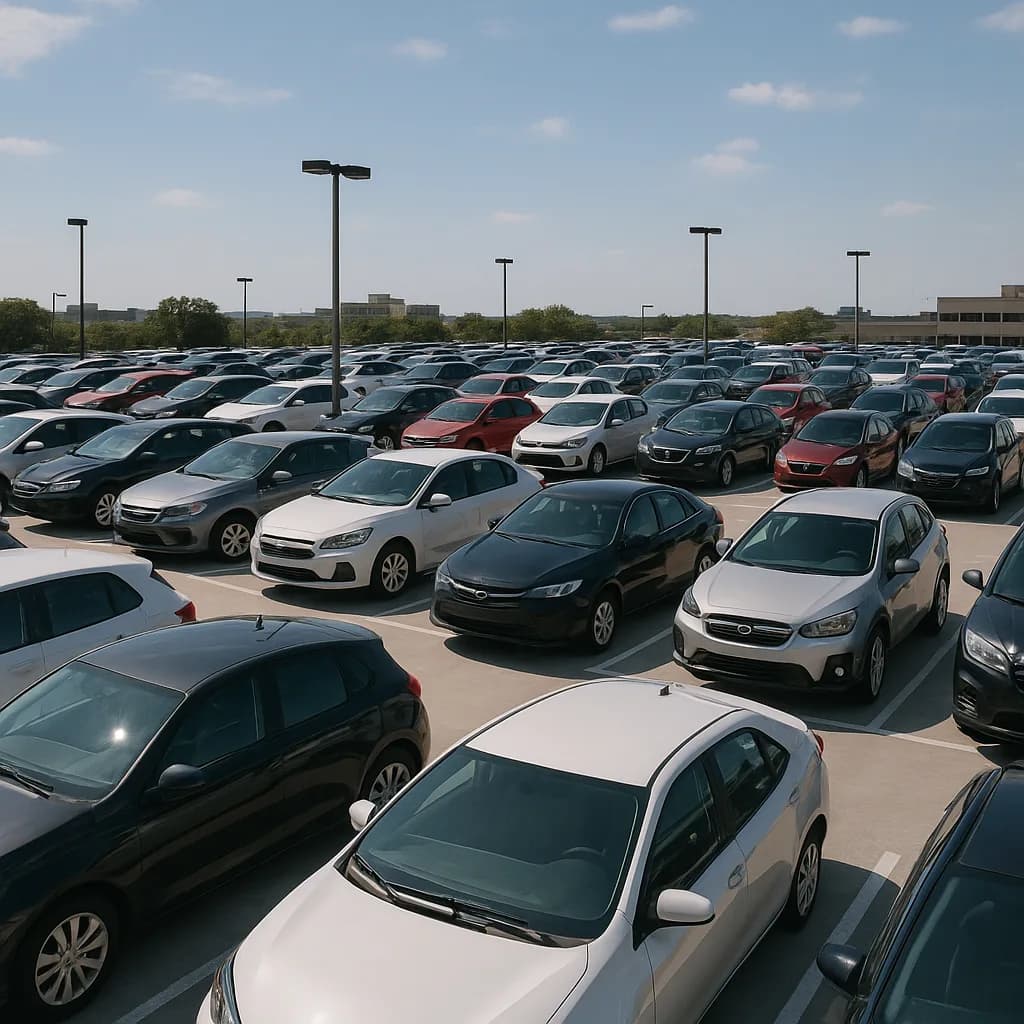
Start by confirming every vehicle qualifies for the same policy. The cars must be garaged at the same address, and every driver in the household must be listed on the policy or explicitly excluded. If a household member drives one of the cars but holds a separate policy, that vehicle may not qualify for your multi-car discount. If a car is titled to someone outside the household, some carriers will not add it to your policy at all. Resolve these structural blockers before comparing quotes.
Next, decide whether every vehicle needs collision and comprehensive. If one car is older and worth less than ten times the annual collision premium, dropping collision on that vehicle and keeping it on the newer cars lowers the combined premium without losing the multi-car discount. Comprehensive typically costs less than collision and covers theft and weather damage, so most households keep it on every vehicle. Adjust deductibles per vehicle: a higher deductible on the older car lowers its premium, and a lower deductible on the newer car keeps repair costs predictable.
Related Articles





Why Base Rate Matters More Than Discount Percentage
Carriers advertise multi-car discounts, but the discount percentage tells you less than the base rate. A carrier offering a smaller discount on a lower base rate beats a carrier offering a larger discount on a higher base every time. You cannot know the base rate from a single-vehicle quote because the quote includes discounts, coverage selections, and driver-specific factors. The only way to compare base rates is to request multi-car quotes from multiple carriers and compare the combined totals.
Ohio households insuring two or more vehicles often call one carrier, get a quote for both cars, and stop there. They assume the multi-car discount means they're getting the best rate. The structural reality: the discount applies to that carrier's base rate, which may be higher than another carrier's base. The carrier you've used for years may no longer offer the lowest multi-car total, especially if you've added a vehicle, moved to a different county, or changed drivers on the policy.
Request quotes from at least three carriers writing Ohio multi-car policies. Provide identical coverage levels, deductibles, and driver information to every carrier so the quotes compare base rates, not coverage differences. The quote with the lowest combined total wins, regardless of which carrier offered the largest discount percentage. If your current carrier's multi-car total is higher than a competitor's, switching saves more than negotiating a loyalty discount.
Ohio Minimum Liability Limits
Ohio requires $25,000 per person, $50,000 per accident for bodily injury, and $25,000 for property damage. Full coverage adds collision and comprehensive to these minimums. Every vehicle on your policy must meet the state minimum; collision and comprehensive are optional but required by lenders if you finance or lease.
Ohio Revised Code 4509.51
When Splitting Policies Costs Less
Most Ohio households save by keeping all vehicles on one policy, but two situations favor splitting. First, if one vehicle is a classic, collector, or rarely-driven car, a specialty carrier may offer a lower premium for that vehicle than your standard carrier charges to add it to your multi-car policy. Specialty carriers price low-mileage vehicles differently and do not require the car to sit on the same policy as your daily drivers. You keep the multi-car discount on your daily drivers and insure the specialty vehicle separately.
Second, if a household member is a high-risk driver—recent DUI, multiple at-fault accidents, or a suspended license—adding that driver to your policy raises the premium on every vehicle. Some carriers will not write a multi-car policy with a high-risk driver listed. In that case, the high-risk driver may need a separate non-standard policy, and the remaining household vehicles stay on your standard multi-car policy. This structure costs more than one combined policy, but it may be the only option when a carrier will not write the household as one risk.
Compare Ohio Carriers Writing Multi-Car Policies
Twenty-six carriers write auto insurance in Ohio and offer multi-car policies, but not all of them price multiple vehicles competitively. Standard carriers like State Farm, Geico, Progressive, Allstate, and Nationwide write most Ohio multi-car policies and offer online quoting tools that calculate the multi-car discount automatically. Preferred carriers like Erie, Auto-Owners, and Amica may offer lower base rates for households with clean driving records and higher credit scores, but they require an agent and do not provide instant online quotes.
Non-standard carriers like Bristol West, Dairyland, The General, and Direct Auto write multi-car policies for households with high-risk drivers, but their base rates are higher and the multi-car discount is smaller. If your household includes a driver with a recent violation, a non-standard carrier may be your only option for combining all vehicles on one policy. If the standard carriers will not write the household, compare non-standard carriers directly rather than splitting the cars across multiple policies.
Request quotes from carriers in each tier. Provide the same coverage levels, deductibles, and driver information to every carrier. Compare the combined totals, not the per-vehicle breakdowns. The carrier offering the lowest combined premium wins, even if its per-vehicle quote is higher than a competitor's. The multi-car discount and base-rate structure matter more than the single-vehicle price.
Get Multi-Car Full Coverage Quotes in Ohio
You now know the multi-car discount requires one policy, that base rate matters more than discount percentage, and that comparing combined totals across multiple carriers finds the lowest premium. The next step: request quotes from at least three Ohio carriers writing multi-car policies. Provide identical coverage levels and driver information to each carrier so the quotes compare base rates, not coverage differences. Compare the combined totals and choose the carrier offering the lowest multi-car premium for your household's vehicles.