
Cheapest Car Insurance Companies — Ohio
Free to compare
Why the Lowest Advertised Rate Rarely Wins for Multi-Car Policies
You own two or more vehicles, you've checked advertised rates from several carriers, and the numbers don't add up the way you expected. A carrier advertising a low per-vehicle rate quotes you higher than a competitor whose single-car rate looked expensive. The confusion is structural: advertised rates reflect single-vehicle policies, but multi-car policies re-rate every vehicle on the policy when you add or remove one, and the multi-car discount each carrier applies sits on top of a base rate you never see in the ad.
Ohio's 11,028,755 registered vehicles and 8,405,794 licensed drivers mean most households insure more than one car. The state requires $25,000 per person and $50,000 per accident in bodily injury liability, plus $25,000 in property damage liability. Every vehicle on your policy must meet these minimums, but the total premium depends on how each carrier structures its base rate, applies the multi-car discount, and prices the specific combination of vehicles you're insuring together.
“A carrier with a higher base rate but a larger discount can produce a lower total than a carrier with a lower base rate and a smaller discount.”

Check Your Rate Against Other Ohio Drivers
Get My Ohio Car Insurance Quote$807.77
Ohio Average Annual Auto Expenditure Per Vehicle
This 2023 figure reflects the average cost per insured vehicle across all coverage levels and household structures in Ohio.
NAIC Auto Insurance Database Report 2023
How Multi-Car Discount Structure Changes the Comparison
The multi-car discount requires every vehicle to sit on the same policy, typically garaged at the same address. Most Ohio carriers apply the discount as a percentage reduction to the combined base premium after rating each vehicle individually. A carrier with a higher base rate but a larger discount can produce a lower total than a carrier with a lower base rate and a smaller discount.
The discount applies to the policy, not to each car. If you add a third vehicle mid-term, the carrier re-rates all three vehicles together and recalculates the discount on the new total. This means the per-vehicle cost changes every time you add or remove a car, and the carrier that quoted lowest for two vehicles may not quote lowest for three.
Ohio law does not regulate the size of the multi-car discount or require carriers to offer one. Carriers writing standard-tier policies typically offer multi-car discounts; non-standard carriers may not. The discount structure is a product design choice, not a legal mandate, so comparing carriers means comparing both the base rate and the discount each applies to your specific vehicle combination.
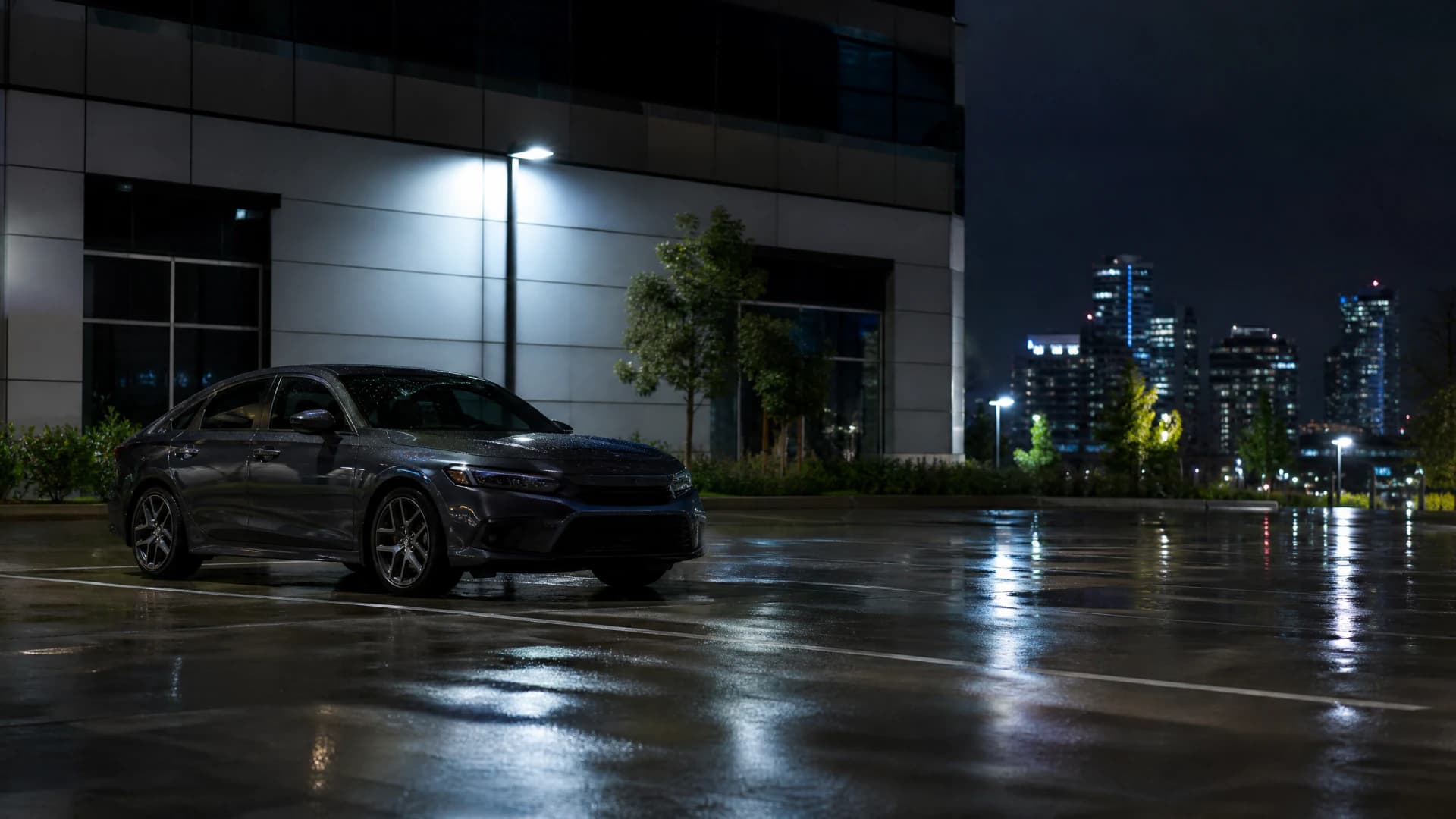
A smaller discount on a lower base rate can beat a larger discount on a higher one, but you won't know which structure wins for your vehicles until you quote the full household.
Related Articles


How Vehicle Combination Changes the Carrier Ranking
The vehicles you're insuring together determine which carrier quotes lowest. A household insuring two sedans will see different carrier rankings than a household insuring a sedan and a pickup, or three cars including a teen driver's vehicle. Carriers price vehicle type, age, safety features, and theft risk differently, and those differences compound when you insure multiple vehicles on one policy.
Ohio's 231.1 motor vehicle thefts per 100,000 population in 2024 mean carriers price theft risk into every quote. A household insuring a high-theft-risk vehicle alongside a low-risk one may find that some carriers penalize the combination more than others. Similarly, a household adding a vehicle driven by a teen or a driver with points will see the policy re-rated to reflect the highest-risk driver on the policy, and carriers vary widely in how they price that risk.
The only way to identify the lowest-cost carrier for your specific vehicle combination is to quote the full household with each carrier. Advertised rates, per-vehicle averages, and single-car comparisons do not predict which carrier will quote lowest for your multi-car policy.
18.5%
Ohio Uninsured Motorist Rate
Nearly one in five Ohio drivers operates without insurance, the highest uninsured rate in the region. Multi-car households adding uninsured motorist coverage to protect against these drivers will see premiums vary significantly by carrier.
Insurance Information Institute, 2023

Coverage Tier and the Multi-Car Discount
The coverage tier you select changes which carriers compete for your policy. If you're buying minimum liability only—$25,000 per person, $50,000 per accident bodily injury, and $25,000 property damage—non-standard carriers often quote lower than standard-tier carriers, but they may not offer a multi-car discount. If you're buying full coverage with collision and comprehensive on every vehicle, standard-tier carriers typically quote lower and apply larger multi-car discounts.
Uninsured motorist coverage is optional in Ohio but recommended given the state's 18.5% uninsured rate. Adding uninsured motorist coverage to a multi-car policy increases the premium, but the percentage increase varies by carrier. Some carriers price uninsured motorist coverage as a flat add per vehicle; others price it as a percentage of the liability limit. The carrier offering the lowest liability-only quote may not offer the lowest quote once you add uninsured motorist coverage to three or four vehicles.
Compare Carriers for Your Full Household
Quote your full household—every vehicle, every driver, the coverage tier you need—with at least three carriers. State Farm, Geico, and Progressive write the largest share of Ohio multi-car policies and offer online quoting. If your household includes a high-risk driver or a vehicle with a lien requiring full coverage, add quotes from non-standard carriers such as Bristol West or Dairyland to confirm you're not overpaying by staying with a standard-tier carrier that prices your risk higher.
The lowest-cost carrier for your household is the one that quotes lowest for your specific combination of vehicles, drivers, coverage tier, and location. That carrier may change when you add or remove a vehicle, when a driver ages into a new bracket, or when your driving record improves. Re-quote annually and whenever your household structure changes to confirm you're still with the carrier offering the lowest total premium for your multi-car policy.
Which Ohio Carriers Write Multi-Vehicle Policies
Standard-tier carriers writing multi-vehicle policies in Ohio include State Farm, Geico, Progressive, Allstate, Nationwide, Farmers, Liberty Mutual, Travelers, and Erie. These carriers typically offer online quoting and apply multi-car discounts to policies with two or more vehicles. Preferred-tier carriers such as Auto-Owners, Amica, and USAA write multi-vehicle policies but may require higher credit or driving-record standards to qualify.
Non-standard carriers including Bristol West, Dairyland, The General, Direct Auto, Acceptance, and GAINSCO write Ohio policies for drivers with violations, lapses, or other high-risk factors. These carriers may offer multi-car policies but often apply smaller discounts or none at all. If your household includes a driver with a DUI, suspended license, or recent at-fault accident, non-standard carriers may be the only option, and the multi-car discount becomes secondary to finding a carrier willing to write the policy.
Get Your Free Quote
Get My Ohio Car Insurance QuoteFrequently Asked Questions
Which Ohio carrier offers the biggest multi-car discount?
Ohio carriers do not publicly disclose multi-car discount percentages, and the size of the discount varies by household. State Farm, Geico, and Progressive all offer multi-car discounts, but the carrier offering the largest discount for your household depends on your base rate, vehicle combination, and coverage tier. Quote all three with your full household to compare total premiums.
Do all Ohio carriers offer multi-car discounts?
No. Standard-tier carriers such as State Farm, Geico, Progressive, Allstate, and Nationwide typically offer multi-car discounts. Non-standard carriers including Bristol West, Dairyland, and The General may offer smaller discounts or none at all. If your household includes a high-risk driver, the availability of a multi-car discount becomes secondary to finding a carrier willing to write the policy.
Does adding a third car always lower the per-vehicle cost?
Not always. Adding a third vehicle re-rates the entire policy, and the per-vehicle cost depends on the new vehicle's risk profile and how the carrier applies the multi-car discount to the updated total. A high-risk third vehicle can raise the per-vehicle cost even with the discount applied.
Can I insure vehicles on separate policies and still get a multi-car discount?
No. The multi-car discount requires every vehicle to sit on the same policy, typically garaged at the same address. If you split vehicles across two policies, each policy is rated separately and neither qualifies for the multi-car discount.
How often should I re-quote my multi-car policy?
Re-quote annually and whenever your household structure changes—adding or removing a vehicle, a driver aging into a new bracket, or a violation dropping off your record. The carrier offering the lowest premium for your household today may not offer the lowest premium after your circumstances change.